
Making your own T-shirts is one of the most rewarding sewing projects. Whether you want to create custom clothing for your family, launch a small apparel business, or improve your garment-making skills, choosing the right equipment and techniques is essential. This guide explains everything from selecting the ideal machine to adjusting stitch settings and working with stretchy knit fabrics.
Choosing the Right Sewing Machine
Finding the right sewing machine for t-shirt making doesn't have to be complicated. Most modern domestic sewing machines can successfully sew knit fabrics when paired with the correct needle, thread, and stitch selection. However, some features make the process significantly easier.
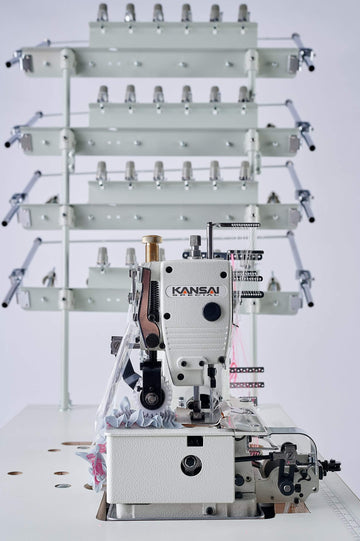
Look for a machine that offers adjustable stitch length and width, stretch stitches, and adjustable presser foot pressure. A free arm also helps when sewing sleeves and finishing smaller openings. If you plan to produce T-shirts regularly, investing in an overlock (serger) alongside your standard sewing machine can greatly improve both speed and seam quality.
Electronic sewing machines often provide more precise stitch control, while mechanical models remain excellent choices for beginners because of their simplicity and durability.
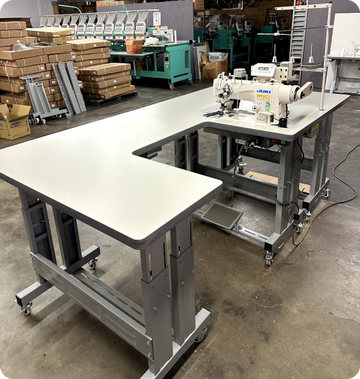
Explore: Industrial sewing machine for T-shirts
Can You Make T-Shirts with a Standard Sewing Machine?
Many beginners wonder whether they need specialized equipment. The answer is encouraging, a regular domestic machine is often the perfect sewing machine to make t-shirts. While industrial equipment offers higher production speeds, home machines are more than capable of creating comfortable, durable garments.
Stretch fabrics require flexibility in the stitches. Straight stitches may snap when the fabric stretches, so many sewists use narrow zigzag stitches, stretch stitches, or twin needles for hems. Practice on fabric scraps before starting your project to fine-tune your settings.
Selecting the Correct Needle
Choosing the proper needle is just as important as selecting the fabric itself. The wrong needle may cause skipped stitches, holes, or uneven seams.
The best sewing machine needle to use for t-shirt fabrics is usually a ballpoint or jersey needle. Instead of piercing the fibers, these needles gently separate the knit loops, reducing damage to the material.
For lightweight cotton jersey, sizes 70/10 or 75/11 work well. Medium-weight knit fabrics typically perform best with an 80/12 needle, while heavier interlock or sweatshirt knits may require a 90/14.
Always replace your needle after several projects or whenever you notice skipped stitches or unusual popping sounds during sewing.
Read Also: How to Hem a T-Shirt Like a Professional: A Complete Guide
Preparing Your Fabric
Before cutting, wash and dry your knit fabric exactly as you plan to care for the finished garment. This prevents unwanted shrinking after construction.
Lay the fabric flat without stretching it. Use sharp rotary cutters or fabric scissors to achieve clean edges. Pattern weights are often preferable to pins because they prevent distortion.
Accurate cutting makes every following step easier, especially when aligning shoulder seams, sleeves, and side seams.
Step-by-Step Construction
If you're wondering how to make a t-shirt with a sewing machine, the overall process is straightforward once you understand the sequence.
Begin by sewing the shoulder seams. Next, attach the neckband while gently stretching the band, not the shirt body, to ensure it lies flat. Afterward, install both sleeves before sewing the side seams from the sleeve cuff down to the hem.
Finish by hemming the sleeves and bottom edge using either a twin needle or a stretch stitch. Press every seam as you work to create a professional appearance and improve overall accuracy.
Working methodically rather than rushing often produces cleaner, more durable garments.
Combining Sewing and Printing
Many small businesses create personalized apparel by combining garment construction with decoration. A proper t-shirt printing sewing machine setup usually involves two separate workstations: one dedicated to sewing and another reserved for printing or heat transfer applications.
Keeping these areas separate prevents contamination from inks, adhesives, and lint. After printing is completed and properly cured, final assembly or finishing operations can continue safely.
Businesses that produce custom apparel often streamline production by preparing cut garment pieces in batches before sewing and decorating.
Sewing Techniques That Improve Results
Learning how to sew a t-shirt with a sewing machine successfully depends more on technique than expensive equipment.
Avoid pulling the fabric while sewing. Let the feed dogs move the material naturally. Stretching the fabric during stitching often creates wavy seams that are difficult to correct later.
Use polyester thread because it stretches better than standard cotton thread. When sewing shoulder seams, many experienced sewists stabilize them with clear elastic or twill tape to prevent stretching during wear.
Frequent pressing with steam also helps seams relax into their final shape.
Needle Selection for Different Knit Fabrics
Different knit materials benefit from different needle choices. Selecting the proper sewing machine needle for t-shirts helps eliminate many common sewing frustrations.
Cotton jersey responds well to jersey needles, while athletic performance fabrics often sew better using stretch needles specifically designed for highly elastic synthetic materials. Rib knit neckbands may also benefit from stretch needles because of their increased elasticity.
Testing needle types on scraps before beginning your project saves both fabric and time.
Managing Stretch Fabrics
Many beginners struggle with knit fabrics because they behave differently from woven cottons. Understanding how to sew t-shirt material on a sewing machine starts with controlling fabric movement.
If your machine allows it, slightly reduce presser foot pressure. This prevents the fabric from stretching excessively while feeding through the machine. Walking feet are another valuable accessory because they help feed both fabric layers evenly.
Avoid excessive pinning. Fabric clips often work better for knit materials since they reduce distortion and are easier to reposition during assembly.
Take your time around curved areas like necklines and armholes to maintain smooth, even stitching.
Recommended Machine Settings
Correct adjustments make a tremendous difference when sewing knit garments. The ideal sewing machine settings for t-shirts depend on your machine model and fabric weight, but several general guidelines apply.
Start with a stitch length between 2.5 mm and 3.0 mm for construction seams. Narrow zigzag stitches with a width of 0.5–1.0 mm provide excellent stretch while remaining visually subtle. Thread tension may require slight reduction if puckering appears.
Before sewing your actual garment, test every adjustment on leftover fabric using the same number of layers you'll encounter in the project. This simple habit dramatically improves final results.
Common Mistakes to Avoid
Several common errors can affect the appearance and durability of homemade T-shirts.
-
Using universal needles instead of ballpoint or stretch needles.
-
Pulling the fabric while sewing.
-
Skipping prewashing, leading to shrinkage later.
-
Using straight stitches on highly stretchable seams.
-
Forgetting to test stitches on scrap fabric.
-
Pressing too aggressively, which can distort knit fabrics.
Avoiding these mistakes makes construction smoother and produces garments that look professionally made.
Helpful Accessories
While not essential, several accessories can improve both efficiency and quality.
A walking foot helps feed slippery knit fabrics evenly. Twin needles produce attractive professional hems. Wash-away stabilizers reduce tunneling during decorative stitching, while seam gauges improve consistency when pressing hems and seam allowances.
An overlocker can finish seam allowances quickly, although a standard sewing machine remains fully capable of producing excellent garments.
Caring for Handmade T-Shirts
Proper care extends the life of your handmade clothing. Wash garments inside out using cool or warm water and mild detergent. Avoid excessive heat during drying, as high temperatures can shorten fabric lifespan and affect printed designs.
Store folded garments neatly or hang them using broad-shouldered hangers to preserve their shape. With quality construction and proper care, handmade T-shirts can remain comfortable and attractive through years of regular wear.
Final Thoughts
Sewing T-shirts is an approachable project that rewards careful preparation and attention to detail. By selecting the appropriate machine, matching the right needle to your fabric, and using stretch-friendly stitching techniques, you can create garments that rival ready-to-wear clothing. Whether you're sewing for yourself, your family, or a growing business, consistent practice will quickly build confidence and improve the quality of every shirt you make.