A semi industrial sewing machine offers more power and durability than a regular home machine, while still being easier to use and more affordable than a full industrial unit. For people who sew frequently or work with heavy fabrics, this type of machine can make everyday work much smoother and more efficient.
What Is a Semi-Industrial Sewing Machine?
A sewing machine semi industrial model is designed for users who need professional-level performance without investing in large factory equipment. These machines are built with stronger internal parts, more powerful motors, and higher sewing speeds than domestic models.
Unlike standard home sewing machines, semi industrial sewing machines can handle thicker fabrics such as denim, leather, canvas, and upholstery materials. At the same time, they are usually more compact than fully industrial machines, making them suitable for small workshops or home studios.
Industrial machines are mainly created for nonstop commercial production. Semi-industrial models sit comfortably between domestic and industrial categories, giving users a balance of performance, convenience, and cost.
How Semi-Industrial Sewing Machines Work
Most modern semi industrial sewing machines use servo motors. These motors provide smooth operation, better speed control, and quieter performance compared to older clutch motor systems. This makes sewing more comfortable, especially during long working hours.
Another important advantage is stitch consistency. Whether sewing lightweight fabrics or thick commercial materials, these machines maintain even stitches at high speeds. Some advanced models also include programmable functions. A semi industrial programable sewing machine can automatically save settings, trim threads, or adjust stitch patterns, helping improve workflow and save time.
Advantages of Semi-Industrial Sewing Machines
One of the biggest reasons people choose a semi industrial sewing machine is durability. These machines are built with heavy-duty metal frames and industrial-quality components that can last for years with proper care.
Speed is another major benefit. Semi-industrial models work much faster than home sewing machines, which is especially important for small business production and commercial sewing tasks. They also provide better fabric handling, making it easier to sew thick or layered materials.
For many users, the biggest advantage is flexibility. Semi industrial sewing machines are powerful enough for professional work while still practical for home use. They are commonly used in tailoring shops, fashion startups, and creative sewing studios throughout California, Los Angeles, and other large sewing markets.
Limitations to Consider
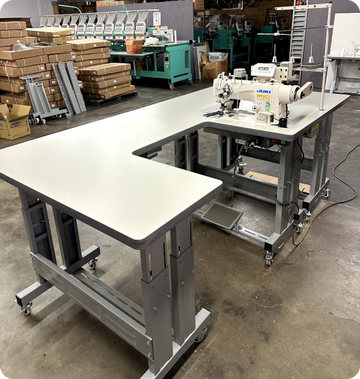
Even though these machines offer many benefits, there are a few drawbacks to keep in mind. Semi-industrial machines are usually heavier and larger than standard home models. Many require a dedicated table or sewing space.
Noise and power consumption can also be slightly higher, especially during heavy-duty sewing. Beginners may also need some time to adjust to faster sewing speeds and advanced settings. However, most users become comfortable after regular practice.
Semi-Industrial vs Industrial Sewing Machines
When comparing semi-industrial and industrial machines, the main differences are size, speed, and workload capacity. Industrial machines are designed for factories and continuous commercial production. They are larger, more specialized, and often more expensive.
Semi industrial sewing machines, on the other hand, are more versatile. They can handle different sewing tasks while remaining easier to maintain and operate. For small businesses, tailoring services, and home workshops, they are often the more practical solution.
What to Look for When Buying
If you are searching for a semi industrial sewing machine for sale, there are several important factors to consider.
First, pay attention to motor strength and speed control. A reliable motor improves sewing quality and helps handle different fabrics more easily. Stitch options and programmability are also useful, especially for users working on various projects.
Build quality matters as well. The best semi industrial sewing machines usually feature solid metal construction, smooth feed systems, and durable components. Warranty coverage and access to replacement parts are also important for long-term reliability.
Many professional sewing suppliers in South El Monte and Los Angeles offer commercial-grade models with service support and maintenance assistance.
Common Uses of Semi-Industrial Sewing Machines
Semi-industrial machines are widely used for tailoring, alterations, upholstery work, quilting, and small-scale clothing production. They are especially useful for businesses that need commercial-quality sewing without investing in expensive factory equipment.
Heavy-duty home sewing is another common use. Many sewing enthusiasts upgrade from domestic machines once they begin working with thicker fabrics or larger projects.
Who Should Buy One?
A semi industrial sewing machine is a great option for serious hobbyists, professional tailors, fashion designers, and startup businesses. Anyone who sews regularly and needs better speed, strength, and reliability can benefit from this type of equipment.
For people running small workshops or online clothing businesses, semi industrial sewing machines provide professional performance while remaining manageable in smaller workspaces.
Maintenance and Care Tips
Like any sewing equipment, regular maintenance is important. Cleaning lint and dust from the machine helps maintain smooth operation and stitch quality. Oiling moving parts and checking needles, belts, and tension systems can prevent unnecessary wear.
Proper storage also helps extend machine life. Keeping the machine covered and using a stable table setup improves both performance and durability.
Conclusion
Semi industrial sewing machines offer an excellent balance between home convenience and industrial performance. They are durable, fast, versatile, and suitable for a wide range of sewing projects.
Whether you are looking for the best semi industrial sewing machine for professional tailoring or exploring semi industrial sewing machines for sale for your home studio, choosing the right model depends on your sewing needs, workspace, and budget. With the right machine, sewing becomes easier, faster, and much more enjoyable.
Read less