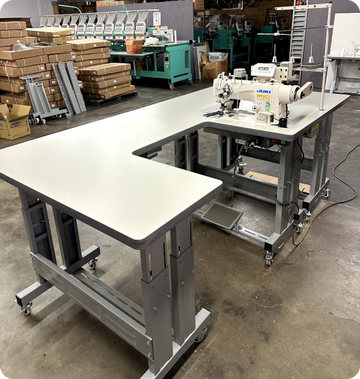
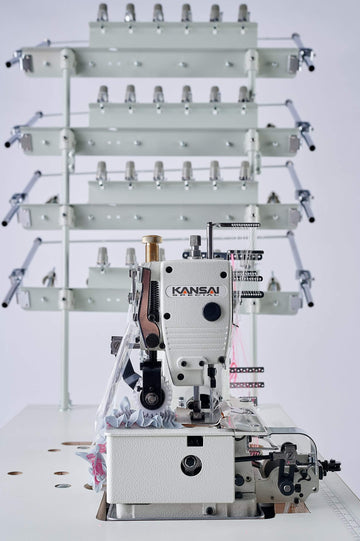
Sewing machine for nylon webbing
Nylon webbing is used in products where strength and durability matter. From straps and belts to outdoor equipment, bags, safety products, harnesses, and industrial components, these materials need stitching that can handle repeated stress. Choosing the right machine makes a significant difference in the quality, consistency, and efficiency of your work.
Más de 40 años de confianza
Impulsando a los principales fabricantes desde 1981
Distribuidor de KANSAI
Las mejores máquinas especializadas y soporte
Garantía de por vida
En todas las mesas de costura personalizadas PRIZZI
Máquinas 100% nuevas
Incluyen las garantías estándar del fabricante
Evento de rebajas del 250 aniversario
Hasta un 50% de descuento en toda la web
días
días
horas
horas
minutos
minutos
segundos
segundos
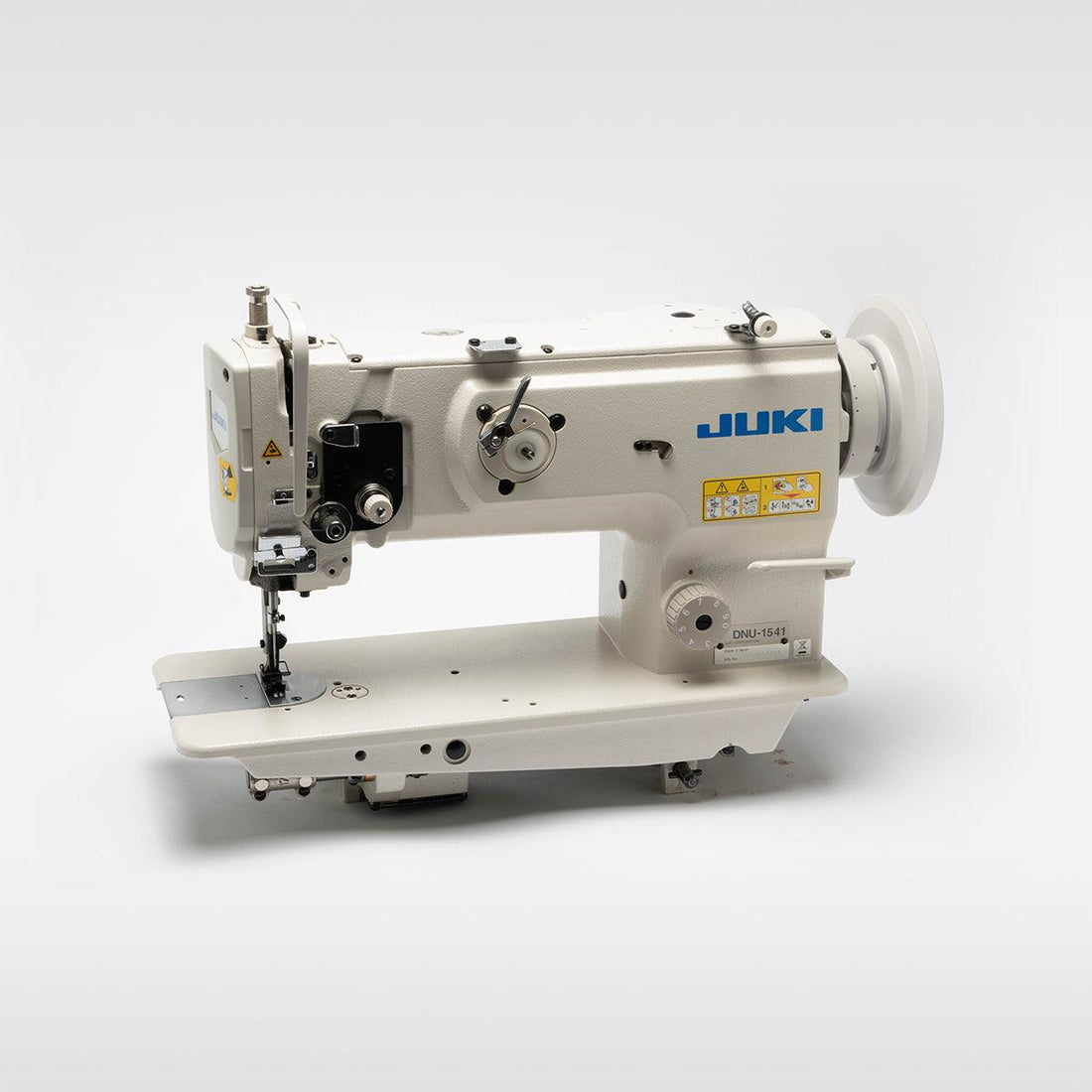
Máquina de pespunte industrial Mecanismo de seguridad de alta resistencia JUKI DNU-1541S
Brand:
JUKI
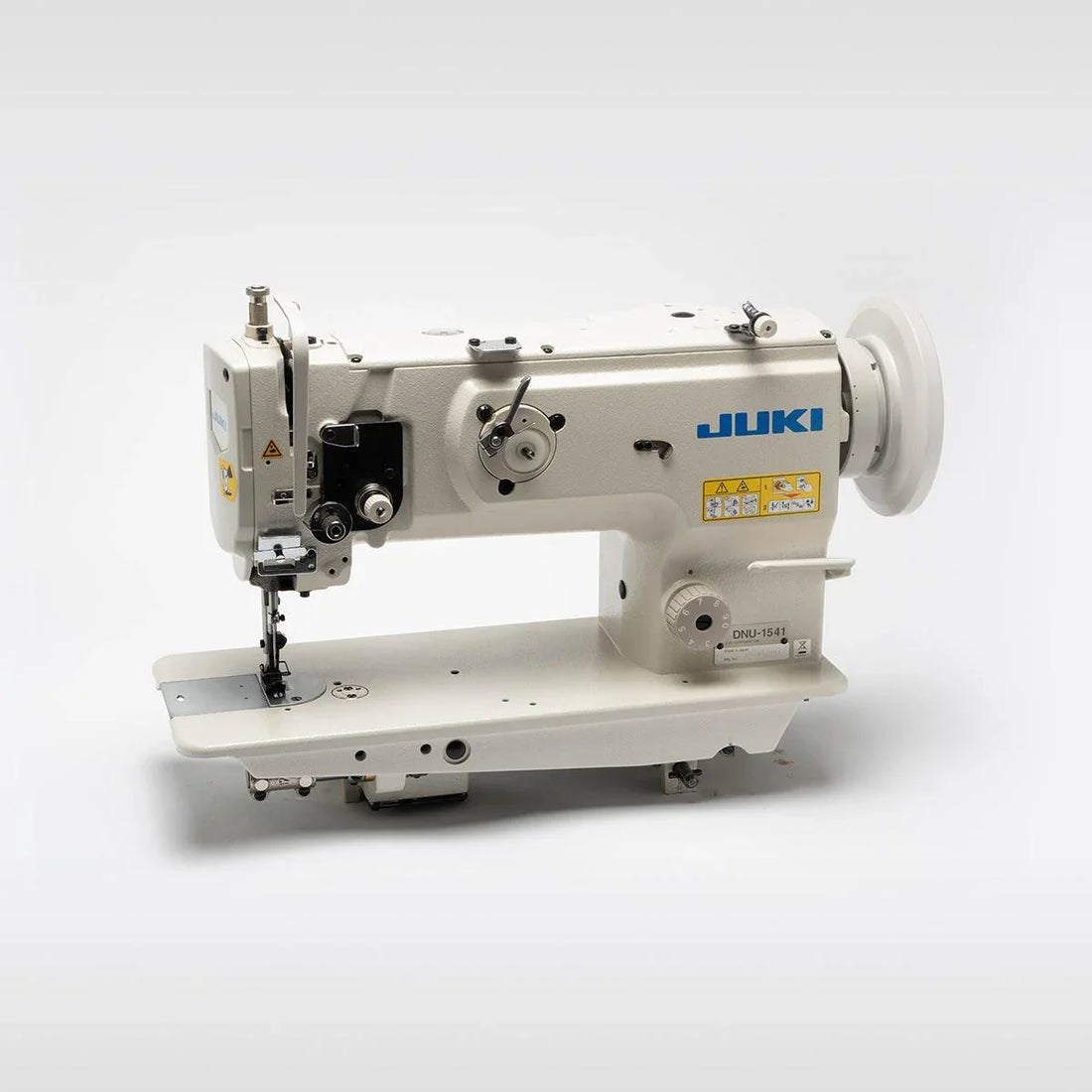
Máquina de pespunte industrial JUKI DNU-1541 Prensatelas de arrastre de alta resistencia
Brand:
JUKI
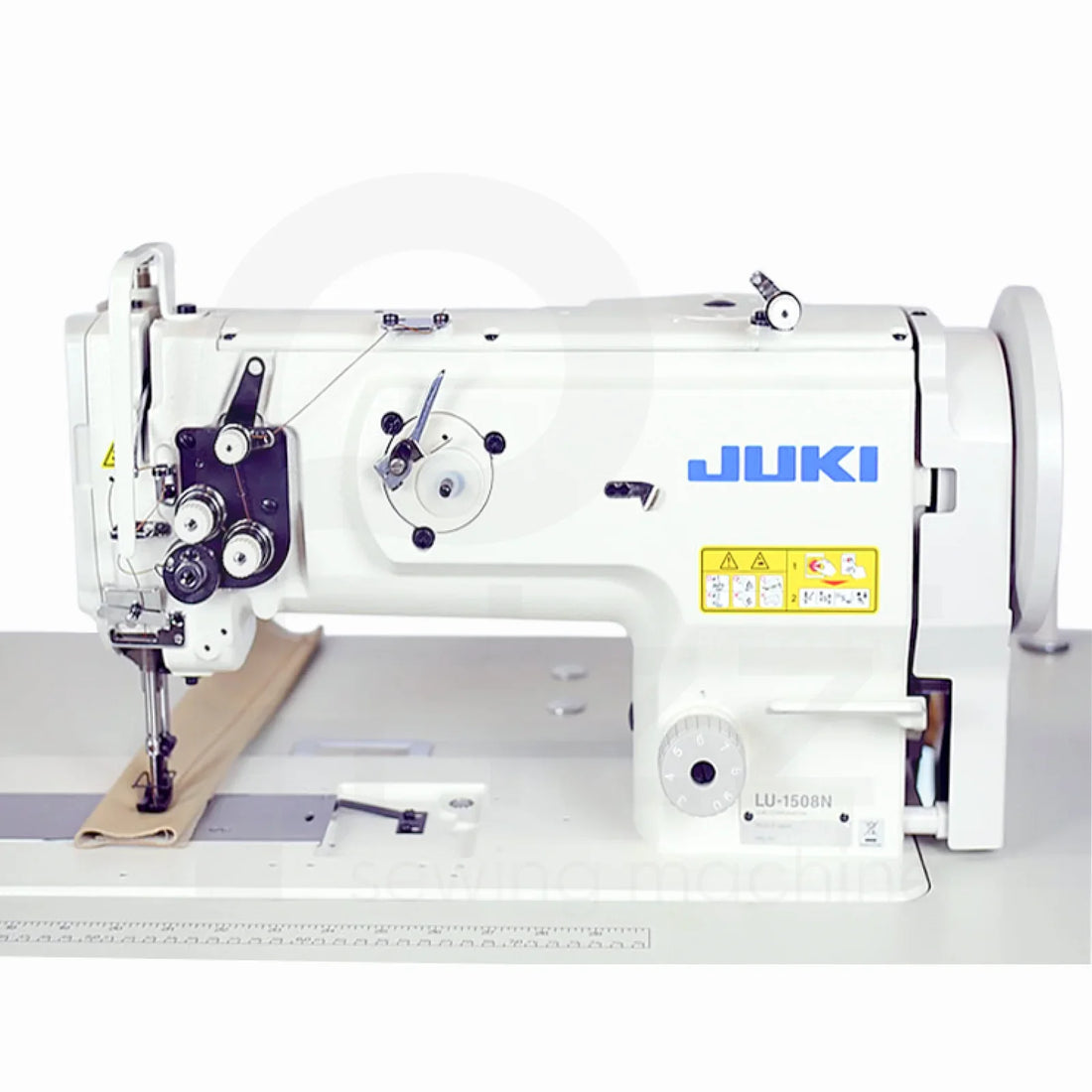
Máquina de pespunte industrial JUKI LU-1508NS, arrastre unisono, materiales pesados
Brand:
JUKI
Máquina de pespunte industrial Cortahilos automático JUKI DNU-1541-7
Brand:
JUKI
Máquina industrial de puntada recta JUKI DLN-5410NH-7WB de arrastre por aguja, funciones automáticas, tejidos pesados
Brand:
JUKI
Máquina de pespunte industrial JUKI DLN-5410N(H) de arrastre por aguja para materiales de peso medio a pesado
Brand:
JUKI
At Prizzi, we understand that sewing heavy and tightly woven materials requires more than an ordinary sewing machine. The right equipment needs sufficient power, dependable feeding, suitable presser-foot clearance, and the ability to create strong, consistent stitches without damaging the webbing.
Read moreAt Prizzi, we understand that sewing heavy and tightly woven materials requires more than an ordinary sewing machine. The right equipment needs sufficient power, dependable feeding, suitable presser-foot clearance, and the ability to create strong, consistent stitches without damaging the webbing.
Choosing the Right Machine for Nylon Webbing
When working with thick synthetic webbing, a standard domestic machine may struggle with multiple layers or dense materials. A purpose-built sewing machine for nylon webbing provides the mechanical strength and control needed for demanding applications.
The ideal machine depends on the thickness of the webbing, the number of layers being joined, the stitch pattern required, and your production volume. For occasional projects, a capable heavy-duty machine may be sufficient. For continuous production, industrial equipment is generally the better choice.
What Makes a Good Nylon Webbing Sewing Machine?
Nylon webbing can be deceptively tough. Although the material itself is lightweight compared with some industrial fabrics, tightly woven layers can create considerable resistance during sewing.
A suitable nylon webbing sewing machine should provide smooth material feeding and enough penetration force to maintain stitch quality through the complete thickness of the workpiece. It should also offer stable operation when sewing multiple layers.
Other features worth considering include:
-
Strong and reliable motor performance
-
Consistent needle penetration
-
Adjustable stitch length
-
Suitable presser-foot lift
-
Smooth feeding of layered materials
-
Durable construction
-
Easy access for routine maintenance
-
Compatibility with appropriate needles and thread
-
Good control at both slow and higher sewing speeds
These features become especially important when webbing is used in products that will experience pulling, bending, abrasion, or repeated loading.
Understanding Webbing Thickness and Layering
One of the first things to consider before purchasing equipment is the actual construction of your product. Sewing a single layer of narrow webbing is very different from attaching several layers to create a reinforced strap.
The more layers you sew together, the more important machine penetration, foot clearance, and feeding become. If your application involves folded ends, reinforcement patches, or thick intersections, make sure the machine is designed to accommodate the maximum thickness you expect to sew.
For demanding applications, a sewing machine nylon webbing setup should be selected according to the complete material stack rather than the webbing alone.
Industrial Machines for Production Applications
Businesses producing straps, luggage, tactical-style equipment, outdoor products, lifting components, or other webbing-based products often require equipment that can operate consistently throughout the working day.
An industrial sewing machine for nylon webbing is designed with this type of workload in mind. Industrial machines typically offer stronger construction and components intended for continuous operation compared with conventional household equipment.
Depending on the application, different machine configurations can be suitable. Straight-stitch machines, walking-foot systems, and other industrial designs can offer different advantages depending on material thickness, stitch requirements, and production processes.
Stitch Quality Matters
Strength isn't the only consideration when sewing nylon webbing. The appearance and consistency of the stitch also affect the finished product.
Uneven stitches, skipped stitches, loose tension, or damaged fibers can reduce both the appearance and performance of a finished strap. Consistent feeding and correct machine setup help produce clean seams while reducing the risk of unnecessary material damage.
A properly configured sewing nylon webbing machine should create balanced stitches without excessive puckering or thread tension problems.
Selecting the Right Needle
The needle is a small component, but it plays an important role in the sewing process. Using an unsuitable needle can contribute to skipped stitches, broken thread, poor penetration, or damage to the material.
When choosing a sewing machine needle for nylon webbing, consider the webbing thickness, thread size, machine specifications, and the number of layers being sewn.
Needle size and point style should be matched to the application. It is also important to replace worn or damaged needles regularly, particularly in production environments where consistent stitch quality is essential.
Thread Selection Is Equally Important
The thread should be selected alongside the needle and machine. Nylon webbing products often need thread with suitable tensile strength and abrasion resistance, especially when the finished item will be exposed to repeated use.
The correct thread size also needs to work with the needle and machine's tension system. Using thread that is too large or too small for the setup can affect stitch formation and machine performance.
Before starting full production, it is good practice to test the complete combination of machine, needle, thread, webbing, and stitch settings.
Heavy-Duty Applications Need the Right Equipment
Not every webbing project has the same requirements. Some products use relatively thin webbing, while others involve thick straps, several folded layers, or reinforced attachment points.
For demanding applications, a heavy duty sewing machine nylon webbing setup can provide the additional capability needed to work through tougher material combinations.
When comparing machines, look beyond motor power alone. The machine's feeding system, hook and needle mechanism, presser-foot arrangement, frame construction, and maximum material capacity all contribute to its suitability.
Finding the Best Machine for Heavy Webbing
There is no single machine that is automatically the right choice for every application. The best sewing machine for heavy nylon webbing is the one that matches your material, construction method, production requirements, and desired stitch quality.
Before making a decision, consider:
-
Material thickness – Determine the thickest combination of webbing and other materials you need to sew.
-
Production volume – Occasional work and continuous manufacturing have different equipment requirements.
-
Stitch requirements – Identify the stitch type, length, and reinforcement pattern your products require.
-
Needle and thread compatibility – Confirm that the machine can accommodate your preferred setup.
-
Feeding performance – Thick or layered webbing needs controlled, reliable feeding.
-
Serviceability – Easy maintenance can make a significant difference over the life of the machine.
Taking these factors into account makes it easier to choose equipment that delivers dependable results rather than simply selecting a machine based on advertised power.
Why an Industrial Setup Can Be a Smart Investment
For professional manufacturers, reliability is often just as important as sewing speed. Downtime, inconsistent stitching, and frequent adjustments can affect productivity and production costs.
An industrial sewing machine nylon webbing solution is built around the needs of demanding sewing environments. With the correct configuration, industrial equipment can provide the stability and repeatability required for regular production.
The right machine can also make difficult sewing tasks more manageable, helping operators maintain consistent results from the first product of the day to the last.
Tips for Sewing Nylon Webbing Successfully
Even a powerful machine needs to be correctly set up. A few simple practices can help improve results:
-
Test the machine on scrap webbing before production.
-
Use a fresh, correctly sized needle.
-
Match the thread to the application.
-
Check upper and bobbin thread tension.
-
Make sure the webbing feeds evenly.
-
Avoid pulling the material through the machine by hand.
-
Use an appropriate presser foot for the material and construction.
-
Inspect stitches regularly for skipped stitches or uneven tension.
-
Clean and lubricate the machine according to manufacturer recommendations.
If you are looking for a sewing machine for sewing nylon webbing, paying attention to setup and maintenance is just as important as choosing the machine itself.
Choosing a Heavy-Duty Machine for Your Application
Heavy webbing is commonly used where a finished product needs to withstand significant tension or repeated use. This makes stitch consistency and seam construction particularly important.
A heavy duty sewing machine for nylon webbing should be capable of handling the thickness and construction of your specific products while maintaining controlled material feeding and reliable stitch formation.
At Prizzi, our goal is to help businesses find sewing equipment that fits the work they actually do. Rather than choosing equipment based only on general specifications, consider the materials, construction techniques, production volume, and finished-product requirements involved in your operation.
Why Choose Prizzi?
Choosing industrial sewing equipment is an investment in your production process. The right machine can improve consistency, reduce interruptions, and make challenging materials easier to work with.
Prizzi provides sewing solutions for professional and industrial applications, helping customers identify equipment suitable for demanding materials and production requirements.
Whether you are manufacturing straps, bags, outdoor equipment, safety products, or other webbing-based products, selecting the correct machine is an important step toward dependable production.
If you need a sewing machines for nylon webbing solution, start by identifying the thickness and number of layers you need to sew, your preferred stitch configuration, and the volume of work you expect to complete. These details will help you narrow down the right machine for your application.
Get the Right Sewing Machine for Nylon Webbing
Nylon webbing requires equipment that can combine power, precision, and reliable material handling. From lightweight straps to thick, reinforced assemblies, the machine should be selected according to the actual demands of the job.
At Prizzi, we can help you evaluate your sewing requirements and find an appropriate industrial solution. Explore our collection to find equipment designed for demanding sewing applications and take the next step toward more consistent, efficient production.
Read less
- Características
- Más relevantes
- Más vendidos
- Alfabéticamente, A-Z
- Alfabéticamente, Z-A
- Precio, menor a mayor
- Precio, mayor a menor
- Fecha: antiguo(a) a reciente
- Fecha: reciente a antiguo(a)