

Starting a clothing production venture can be a practical and profitable move if approached with the right structure. If you are researching how to start a garment manufacturing business, the first step is to understand your niche, whether it is casual wear, uniforms, kidswear, or export-focused apparel. Clear positioning helps you decide your investment level, machinery needs, and target buyers.
A strong beginning also means studying competitors, pricing models, and demand trends so you don't enter the market blindly.
Planning Your Business Model and Setup
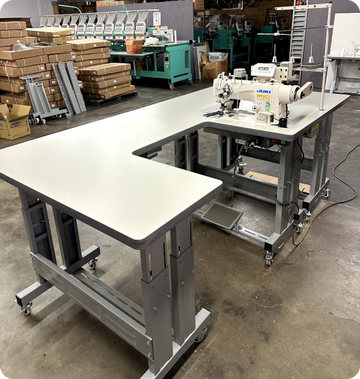
Before investing heavily, define how your operation will function day to day. Many entrepreneurs exploring how to start a garment manufacturing business underestimate the importance of workflow design. A proper setup includes cutting, stitching, finishing, ironing, and packing zones arranged for efficiency.
You should also decide whether you will start small or aim for large-scale production. Your production model will directly impact costs, staffing, and output capacity.
Building a Company Structure the Right Way
When thinking about how to start a garment manufacturing company, it is not just about machines, it is also about structure and compliance. Register your business legally, set up accounting systems, and ensure tax and labor law compliance from day one.
Hiring skilled staff such as tailors, supervisors, and quality controllers is essential for consistent output. Alongside this, building a brand identity early helps you stand out in a crowded apparel market where trust and consistency matter.
Read Also: Understanding Overlock Stitches for Professional Sewing
Read Also: From Zero to Leather Goods Brand
Managing Investment and Financial Planning
Careful budgeting is critical when starting a garment manufacturing business, especially in the early stages. Your costs will typically include machinery, rent, raw materials, salaries, electricity, and marketing.
It is smart to prepare a simple financial plan with expected monthly expenses and revenue targets. This helps you avoid cash flow problems and gives you clarity on break-even timelines. Many successful units also reinvest early profits to improve capacity instead of over-expanding too quickly.
Launching a Small-Scale Production Unit
If you are exploring how to start a small garment manufacturing business, beginning with a limited setup is often the safest approach. Start with basic machinery such as sewing machines, cutting tables, and finishing tools.
Focus on a small product line so you can maintain quality and control costs. Selling locally or through small wholesale orders helps you test demand without heavy investment in distribution. As orders grow, you can gradually expand production capacity.
Setting Up an Efficient Manufacturing Unit
Understanding how to start a garment manufacturing unit involves choosing the right location and designing an efficient workspace. You need enough space for production flow, storage, and finishing areas.
Good lighting, ventilation, and stable electricity are essential for smooth operations. A well-organized unit reduces delays and improves productivity. Quality control checkpoints should be built into each stage of production to minimize defects and ensure customer satisfaction.
Running a Lean Small Manufacturing Unit
For entrepreneurs focused on how to start a small garment manufacturing unit, lean operations are key. Instead of investing in everything at once, you can outsource processes like embroidery, printing, or dyeing while keeping stitching in-house.
This approach reduces initial costs while allowing you to maintain control over core production. As demand increases, you can gradually bring outsourced work inside your facility to improve margins and control.
Marketing also plays a major role, use social media, local distributors, and word-of-mouth referrals to build early traction.
Final Thoughts
Entering the apparel industry requires patience, structure, and consistent execution. Whether you are planning a full-scale factory or a small workshop, success depends on how well you manage planning, production flow, and financial discipline. With the right strategy, even a modest setup can grow into a strong and scalable clothing brand over time.