
A tote bag is one of the most practical sewing projects you can make. It works for groceries, books, beach trips, and everyday errands, and it uses only straight seams and simple shapes. That makes it an ideal first project for beginners who want quick, useful results. Below, you'll learn how to make a tote bag with sewing machine basics, from choosing fabric to adding the final topstitch.
Materials You Need
-
About 1 yard (1 m) of fabric
-
All-purpose polyester thread
-
A sewing machine with a needle suited to your fabric
-
Fabric scissors or a rotary cutter
-
A ruler or measuring tape
-
Pins or sewing clips
-
An iron and ironing board
Your choice of fabric determines the bag's quality and durability. Quilting cotton is easy to sew and suits light everyday totes. Canvas, duck cloth, denim, and home décor fabrics hold their shape better and carry heavier loads. If you want a soft fabric to feel sturdier, add fusible interfacing or a lining.
Preparing the Fabric
Start by deciding on the size. A finished bag of about 14 × 16 inches (35 × 40 cm) is a versatile everyday option.
For this size, cut two rectangles measuring 15 × 18 inches (38 × 46 cm). This includes a ½-inch seam allowance on the sides and bottom, plus 1½ inches at the top for a double-folded hem. For the handles, cut two strips measuring 4 × 24 inches (10 × 61 cm).
To prepare each handle, fold the strip in half lengthwise and press. Open it, fold both long edges to the center crease, then fold in half again and press, creating a 1-inch strap. If you want a lining, cut two more rectangles from lighter fabric in the same size as the main pieces.
Read Also: How to Use a Sewing Machine for Embroidery: A Beginner's Guide
How to Make a Tote Bag With a Sewing Machine
-
Position and pin the pieces. Place the two main rectangles right sides together, aligning all edges, and pin or clip along the sides and bottom.
-
Sew the side and bottom seams. Stitch with a ½-inch seam allowance, backstitching at the start and end. Finish raw edges with a zigzag stitch to prevent fraying.
-
Create boxed corners (optional). Pinch each bottom corner so the side seam lines up with the bottom seam, forming a triangle. Stitch straight across about 1½ inches from the tip, then trim the excess. This gives the bag a flat base.
-
Finish the straps. Edgestitch along both long sides of each handle to close them.
-
Hem the top edge. Fold the top edge ½ inch toward the wrong side and press, then fold another inch and press again.
-
Attach the handles. Tuck the handle ends under the folded hem, about 3–4 inches from each side seam. Pin them in place, then stitch around the top edge to secure the hem and handles together. Flip each handle up and stitch a box with an X inside it for extra strength.
-
Press the seams. Turn the bag right side out and press thoroughly for a clean, professional finish.
How to Make a Tote Bag With a Sewing Machine: Tips for Better Quality
-
Use the correct needle and thread. A size 90/14 needle suits medium fabrics, while canvas and denim need a 100/16 or a denim needle.
-
Keep seam allowances consistent. Use the guidelines on your machine's needle plate so the bag stays symmetrical.
-
Reinforce stress points. Handles and bottom corners carry the most weight, so backstitch and use box-X stitching.
-
Adjust machine settings. A stitch length of 2.5–3 mm works well for most totes; lengthen it slightly for thick layers.
-
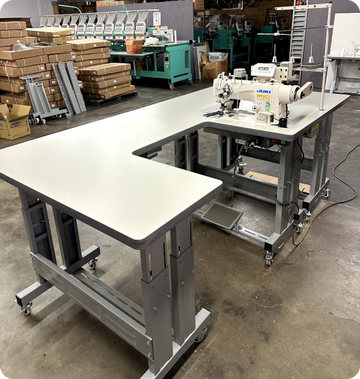
Use a suitable sewing table. A larger, stable surface supports the fabric and keeps your seams straight.
How to Make a Tote Bag Sewing Machine for Different Fabrics
Lightweight fabrics, such as cotton and linen blends, are perfect for simple foldable bags. They sew easily but benefit from interfacing or a lining for structure.
Medium-weight fabrics, such as twill and home décor cotton, give the bag more body without demanding much from your machine.
Canvas and heavier fabrics create durable totes that last for years. Sew slowly, use a heavy-duty needle, and hold the layers with clips instead of pins.
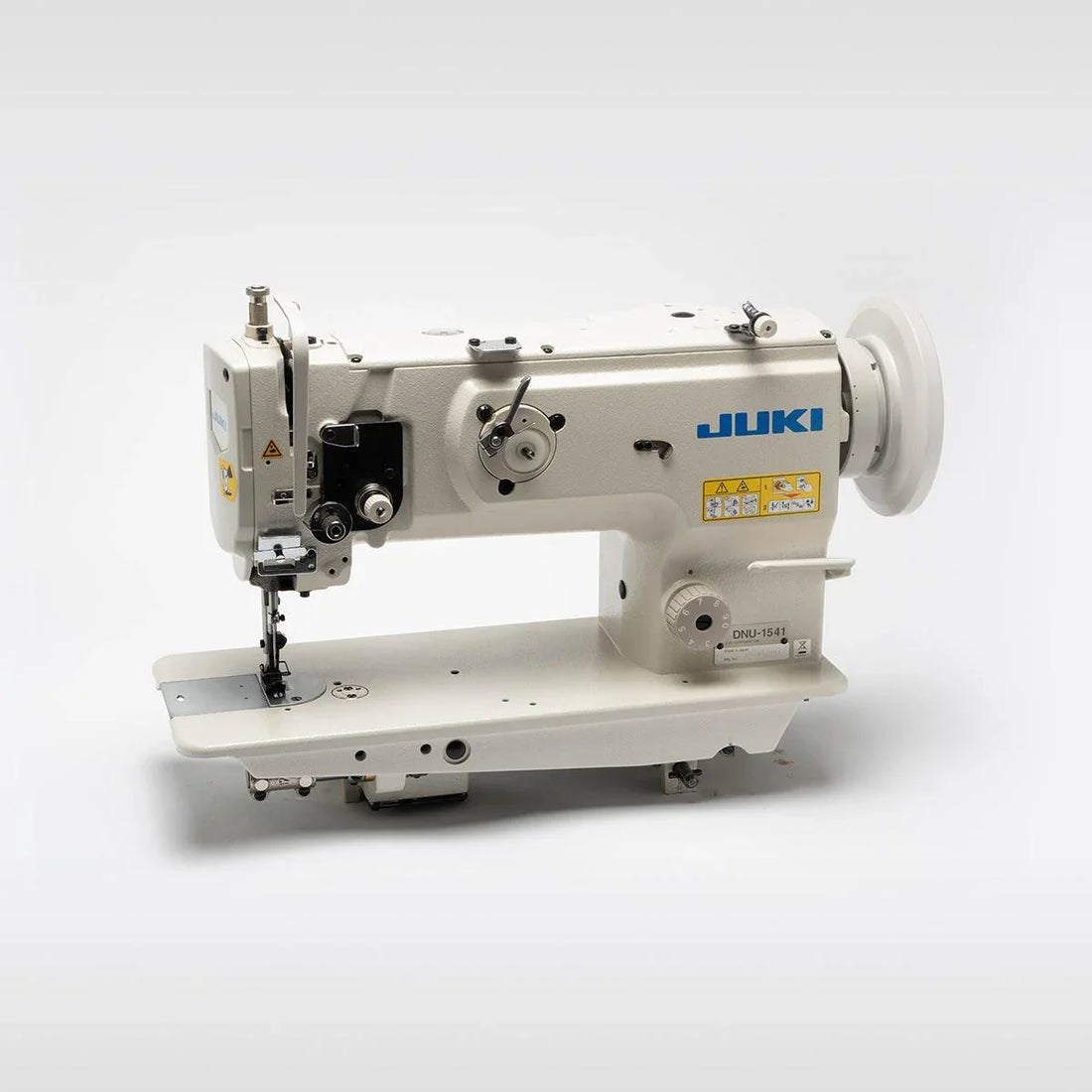
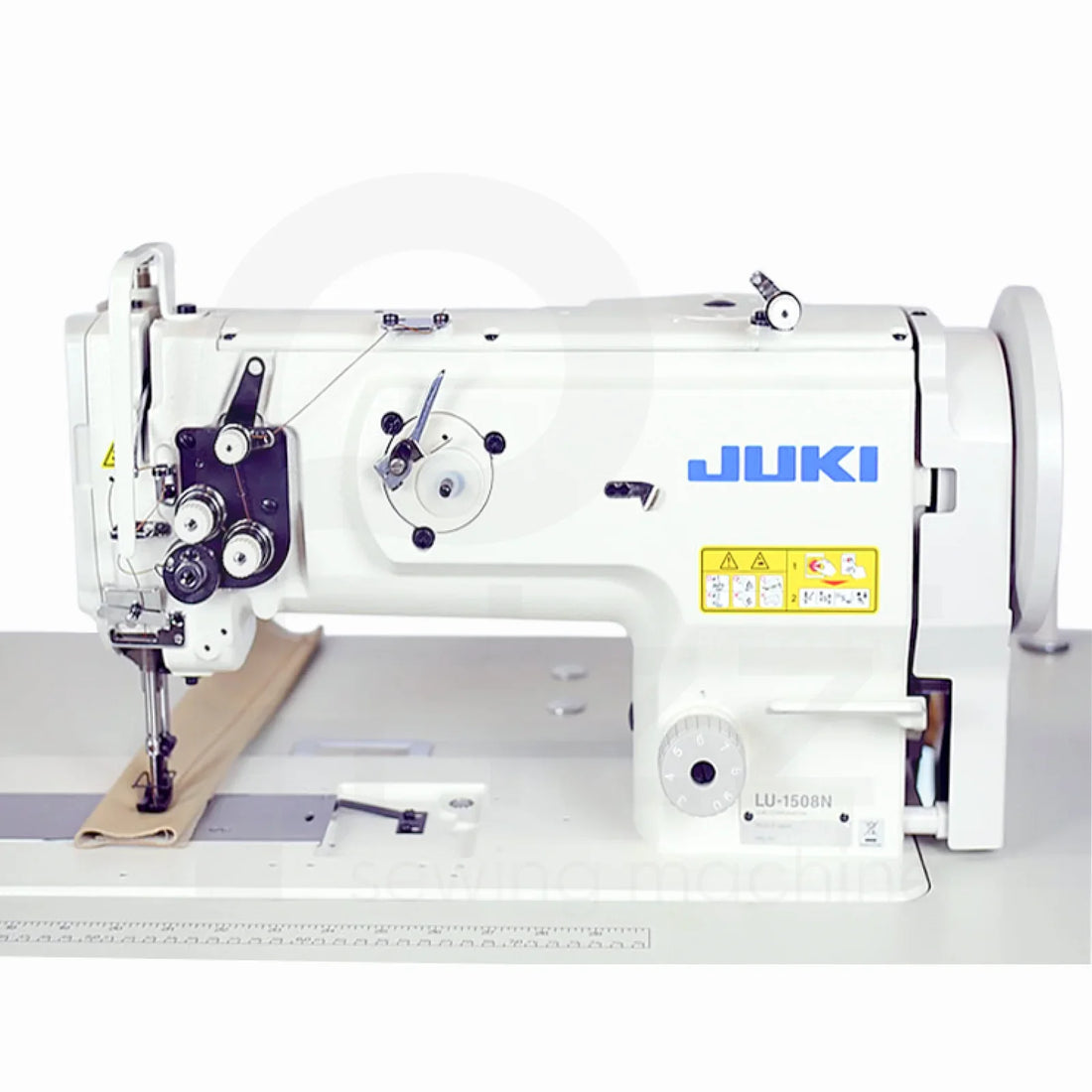
Most home machines handle typical tote projects with no trouble. However, if you regularly sew thick canvas, leather, or many layers, or produce bags in larger quantities, an industrial or commercial machine may be the better choice. Repeatedly forcing a domestic machine through very thick seams can strain the motor, so check your manual's fabric recommendations and keep your warranty terms in mind.
How to Make a Tote Bag Without Sewing Machine
If you don't have a machine, there are still several options for how to make a tote bag without sewing machine:
-
Hand sewing. A backstitch creates strong seams but takes considerably more time.
-
Fabric glue or fusible bonding tape. This is quick and easy, but best suited to light loads and decorative bags.
-
No-sew methods. Tied fringe bags or T-shirt totes require only scissors.
These approaches work well for simple projects, but machine stitching delivers greater durability and a neater finish. Thick fabrics like canvas can also be difficult to hand sew, so you may need a thimble, a heavy-duty needle, and pre-punched holes made with an awl.
Conclusion
Learning how to make a tote bag with a sewing machine comes down to a few key steps: cut accurately, choose fabrics suited to the bag's purpose, sew straight and consistent seams, and reinforce the handles. With these basics in place, you'll have a sturdy, attractive tote and a solid foundation for more advanced sewing projects.