

En el mundo de la costura industrial, hay una diferencia clara entre una máquina que simplemente funciona y una que realmente rinde. Cualquiera que haya pasado tiempo en una planta de producción lo sabe. La máquina adecuada no solo hace puntadas: incorpora consistencia, confianza y velocidad a cada prenda que sale de la línea. Por eso las máquinas de coser japonesas, especialmente las de Juki y Pegasus, se han ganado una reputación como el estándar de oro de la costura industrial en todo el mundo.
La ingeniería japonesa se basa en el equilibrio: potencia sin excesos, velocidad sin caos y precisión sin complicaciones. Estas máquinas están diseñadas para profesionales que esperan resultados día tras día, turno tras turno.
Por qué las máquinas de coser industriales japonesas son diferentes
Lo que realmente diferencia a las máquinas japonesas de muchas de sus competidoras es la filosofía que hay detrás de ellas. Están construidas no solo para coser rápido, sino para coser bien.
La precisión es lo primero. Cada componente —desde el mecanismo de arrastre hasta la barra de agujas— está diseñado para funcionar en armonía. El resultado son puntadas limpias y uniformes que se ven tan bien al final de una larga jornada de producción como al principio.
La fiabilidad no es negociable. Los fabricantes japoneses diseñan máquinas capaces de funcionar durante años con un tiempo de inactividad mínimo. Los sistemas de lubricación automática, las piezas internas duraderas y las configuraciones mecánicas inteligentes ayudan a reducir el desgaste, incluso en entornos exigentes.
La comodidad del operador es importante. Menos vibración, un movimiento más suave y un funcionamiento más silencioso significan menos fatiga para la persona que está frente a la máquina. Con el tiempo, esto mejora directamente la productividad y la calidad de las puntadas.
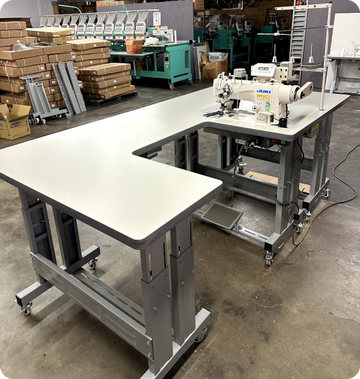
Conozca la máquina de trabajo: Juki DDL-8700-H-7WB-SC920CN/M92/CP180A
Entre las máquinas industriales más confiables de Juki, la Juki DDL‑8700‑H‑7WB‑SC920CN/M92/CP180A destaca como un ejemplo perfecto de la precisión japonesa en acción. No es una máquina diseñada para aficionados: está construida para una producción exigente.
Diseñada para materiales pesados y exigentes
La configuración "H" está diseñada específicamente para tejidos más pesados. Ya sea que trabaje con mezclilla, lona, lana o materiales en capas, esta máquina mantiene un excelente equilibrio de puntada y penetración de la aguja. El amplio espacio entre la aguja y el brazo ofrece a los operadores más espacio para maniobrar piezas voluminosas, lo que hace que los trabajos de costura complejos sean mucho más manejables.
Velocidad sin sacrificar la calidad
La alta velocidad de producción no significa nada si la calidad de las puntadas se ve afectada. Este modelo ofrece una velocidad de costura impresionante y mantiene las puntadas rectas, uniformes y seguras. El suave sistema de arrastre evita el fruncido y las costuras desiguales, incluso a velocidades elevadas.
Control inteligente, funcionamiento sencillo
La caja de control SC920CN, combinada con el panel de operación CP180A, añade inteligencia sin una complejidad innecesaria. Los operadores pueden supervisar fácilmente las condiciones de costura, gestionar los ajustes de producción y mantener resultados uniformes. Todo está dispuesto de forma clara y práctica, exactamente lo que se necesita en una planta de costura con mucha actividad.
Eficiente y silenciosa
El servomotor M92 proporciona una potencia fuerte y receptiva, al tiempo que consume menos energía que los motores tradicionales. También funciona de manera más silenciosa y suave, lo que mejora el entorno de trabajo en general. Menos ruido, menos vibración y un mejor control se traducen en una operación más eficiente.
Diseñada para un uso prolongado
Esta máquina no está construida para obtener beneficios a corto plazo. Está diseñada para ofrecer un rendimiento fiable año tras año. La reducción de la fricción, la estabilidad de las puntadas y una estructura mecánica sólida se traducen en menos ajustes y menos mantenimiento con el tiempo.
El papel de Pegasus en el estándar japonés
Mientras que Juki es ampliamente reconocida por sus máquinas de puntada cerrada y de producción general, Pegasus desempeña un papel clave en la costura industrial especializada y de alta velocidad. Juntas, estas marcas reflejan el compromiso japonés con la funcionalidad, la durabilidad y la precisión. Las fábricas de todo el mundo suelen confiar en ambas y utilizan cada una donde ofrece el mejor rendimiento: una verdadera señal de confianza ganada gracias al desempeño.
Qué significa esto para su negocio
Elegir una máquina como la Juki DDL-8700-H-7WB no se trata solo de renovar el equipo. Se trata de mejorar el flujo de trabajo, reducir los errores y proporcionar a los operadores herramientas en las que puedan confiar. Una calidad de puntada uniforme se traduce en menos prendas rechazadas. Un funcionamiento suave permite una capacitación más rápida y un personal más satisfecho. Con el tiempo, estos beneficios se traducen directamente en mejores resultados de producción.
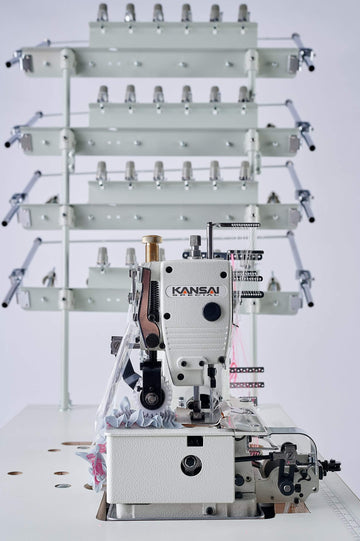
Lea también: Las mejores máquinas de coser Kansai Special preferidas por los clientes de Prizzi
Reflexiones finales: una precisión que se siente
Las máquinas de coser industriales japonesas son respetadas por una razón. No persiguen las tendencias: perfeccionan los fundamentos. Con máquinas como la Juki DDL-8700-H-7WB-SC920CN/M92/CP180A, la precisión no es una característica; es la base. Cada puntada refleja una ingeniería cuidadosa, un diseño bien pensado y un profundo conocimiento de lo que exige la producción real.
Cuando la calidad importa y la consistencia es fundamental, la precisión japonesa realmente se hace evidente en cada puntada.