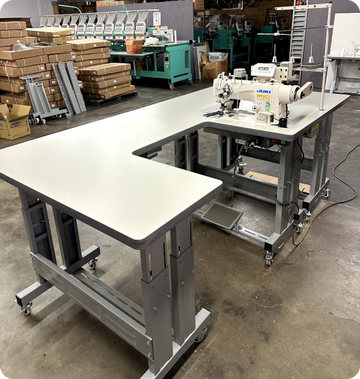


Flatlock is one of the main techniques used in activewear and knit garments for a professional finish. It looks like a ladder on one side and interlocking loops on the other. Flatlock is more decorative and sits completely flat, causing no irritation to the skin. That’s why this type of stitching is mostly used on sportswear that must be comfortable.
A flatlock sewing machine creates strong seams where the fabric edges meet without overlapping. It works best on knits, stretchy fabrics, and athletic wear materials because the seam stays flat without adding bulk. The final stitch feels smooth and prevents chafing. Mastering this stitch can take your garments to the next level!
What Is a Flatlock Stitch?
A flatlock stitch is a unique sewing technique that puts two pieces of fabric together without overlapping and chafing. It also involves trimming the fabric edges, folding them slightly, and interlocking the threads to hold them securely. A stretchy and durable seam looks great on both sides. Special flatlock machines are perfect for creating this type of stitch on comfy clothes like activewear and swimwear.
Flatlock and overlock stitches both finish fabric edges and prevent fraying. But they are used in different situations. Unlike an overlock, a flatlock has no layers to the underside, while the seam is butted together. There is no seam allowance with layers interlocking on the underside. When sewing something that’s going to take a beating, manufacturers go with overlock. When aiming for comfort and a polished outer finish, manufacturers go with a flatlock.
How a Flatlock Machine Works
A flatlock stitch is a type of seam that puts two pieces of fabric together with no overlap, creating a flat and flexible finish. It is created using a flatlock machine or a serger with specific settings. The flatlock machine working mechanism involves trimming the fabric edges, folding them properly, and interlocking the threads to ensure durability. The result is a smooth, stretchy seam that looks great on both sides.
The flatlock sewing machine has an electric motor, usually mounted under or integrated into the sewing table. The flywheel, needle bar, upper and lower loopers, feed dog, presser foot, and the main shaft that powers the machine’s movements. The sewing process starts with the main shaft, which drives the needle bar and loopers through cams and linkages. The spreader (or looper spreader) works in coordination with the cam mechanism to control thread delivery to the lower looper. The spreader mechanism moves the threads to interlace and form the flatlock stitch.
The flatlock stitch creates an exposed seam that will be visible. When preparing for the stitching process, you should cut your fabrics into accurate pieces. Then, you place the two fabric pieces edge to edge, with a slight overlap or not overlapping at all. Also, ensure the stitches catch both fabric edges evenly. Once done, pull the fabric apart to make the seam look completely flat. This will enhance the comfort of the final item.
Main Types of Flatlock Stitches
Keep in mind that sportswear always endures a lot of pressure and needs to be flexible. The flatlock mechanism means a special way to sew fabric edges, creating soft and strong seams at the same time. You can explore different types of flatlock stitches used in the clothing industry. These include:
Open seam flatlock is intentionally pulled open after stitching. It creates a flat appearance on one side and a clean, joined edge on the other. This method is widely used in activewear, underwear, and sports garments because it prevents bulk and reduces skin irritation.
Closed seam flatlock keeps the fabric layers overlapped, not opened. A tighter seam provides more strength while still offering excellent stretch recovery. Closed flatlock seams are suitable for performance gear, swimwear, and compression apparel where durability matters most.
Decorative flatlock uses contrasting threads to create an unusual design. These variations can enhance hems, panels, or design lines, while combining a structural function with aesthetic appeal.
Different Types of Flatlock Machines
Flatlock machines may serve the same purpose but still have slight functional differences. Manual flatlock machines need an operator to feed the fabric manually, while semi-automatic machines have special sensors to detect the fabric and adjust the machine's settings accordingly. Fully automatic flatlock machines can handle more complicated tasks, with minimal direct intervention.
Single-needle sewing machines have a single needle to sew fabrics. They usually have light weight and quick setup, convenient for domestic and industrial use. Multi-needle sewing machines have two needles, located on a single bar with a single heel. Accurate stitches create a clean appearance. The distance between the two lines can be adjusted in the settings.
Apart from technical differences, specialized flatlock machines may serve unique purposes. Sportswear machines can handle high-stretch materials like Lycra and spandex, offering strong seam elasticity and low thread breakage. Lingerie machines are optimized for lightweight fabrics such as lace or microfiber, producing smooth seams. Some industrial machines have programmable tension systems and adjustable feed to perform complex sewing tasks.
When to Use a Flatlock Stitch
Flatlock stitches are required for making strong, comfy seams. These seams stay flat, so they don’t irritate your skin. You’ll see them in leggings, swimwear, and compression shirts. They are strong and stretch easily with the fabric. Flatlock stitching isn’t just for sportswear. It also makes everyday clothes more comfortable. The flat seams eliminate bulk, so clothes feel soft and smooth. Flatlock stitches look great on T-shirts, pajamas, and underwear.
Flatlock stitches also add style to casual clothes. Using colorful threads can make any clothes stand out. This turns simple outfits into cool fashion pieces. Metallic, neon, or any other colorful threads stand out and turn the stitching into a cool decoration. Let’s say using a bright thread on a hoodie or leggings seam can give a dynamic vibe. Flatlock machines can also outline shapes or patterns with these stitches for a unique look.
How to Use a Flatlock Stitch
Creating a flatlock stitch may seem hard, but it’s not really the case as long as you master the technique. Here is a step-by-step guide to achieving a perfect flatlock seam:
-
Prepare the fabric. Choose a stretch fabric to achieve high-quality results. Cut the fabric into equal pieces, because the flatlock stitch creates a visible seam.
-
Set up the flatlock sewing machine. Thread the loopers and needle(s) based on the manual. Select the flatlock stitch setting and set a medium stitch length. Adjust the differential feed to sew at a comfortable speed.
-
Place the fabric edges. Place the two pieces of fabric edge to edge, without overlapping.
-
Sew the seam. Make a wide zigzag stitch along the edge. Ensure the stitches catch both fabric edges accurately.
-
Pull the fabric open. Pull the fabric apart to smooth up the seam. This exposes the loops and creates the signature flatlock design.
-
Create a clean finish. Use an iron to leave the seam open or closed, depending on your preferences. Make the seam lie completely flat.
The whole process shouldn’t be a problem as long as you master the technique.
What Is Flatlock Stitching Good For
A flatlock stitch can also be fashionable. With the seams lying on the clothes, you can play with the color of the threads. You’ll be surprised to see how a white flatlock looks on a stretch fabric. Sewers can fulfil any wishes. Flatlock stitches have many benefits that make them popular:
-
Comfort and elasticity: Flatlock seams don’t rub against the skin, so they’re great for tight clothes.
-
Aesthetic appeal: Flat stitches look nice and add a professional touch to the final item.
-
Strength and durability: These stitches stretch and survive many washes, lasting longer.
Flatlock machines have become perfect equipment for sewing activewear, swimwear, or home décor. Flatlock stitches are now widely used for commercial manufacturing processes.
Conclusion: Explore the Benefits of Flatlock Stitches
Flatlock stitch types are perfect for activewear and sportswear. They have no layers to the underside with the final seam butted together. There is no seam allowance with layers interlocking on the underside. This type of stitch matters for comfort and visually appealing garment designs. Getting a flatlock sewing machine can be a great solution for your industrial needs in South El Monte, Los Angeles, California? Local dealers offer a great variety of models with a one-year warranty. Consider the machine’s speed, durability, and precision when making the final choice. Pick a flatlock machine that matches your specific sewing goals.
We’re excited to introduce you to 2 of the best flatlock machines on the market.
These machines are essential for sewing:
✅ Sportswear
✅ Underwear
✅ Knitwear
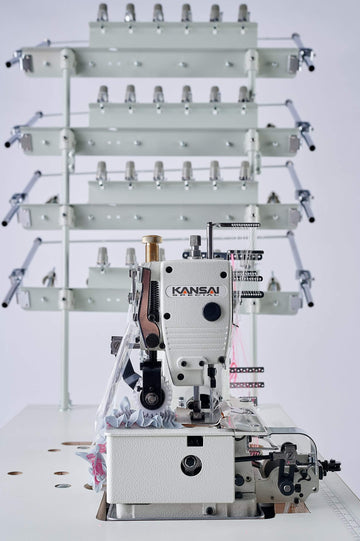
KANSAI SPECIAL NFS6604GFMH-H-DD
4-needle, 6-thread, feed-off-the-arm, top and bottom coverstitch machine.
👉 Operates at speeds of up to 3,500 stitches per minute.
👉 Handles light to heavy fabrics with ease.
👉 Features a breast cushion pad for operator comfort.
👉 Offers the option for single or double side cuts.

Pegasus FS701P-G0X460/PD23
4-needle, 6-thread high-speed flatseamer with adjustable differential feed.
👉 World's first fully enclosed needle drive system to prevent oil stains.
👉 Expanded workspace for easy fabric handling.
👉 Equipped with a pneumatic presser foot pressure regulator.
👉 Capable of sewing up to 4,200 stitches per minute.
Kansai Special and Pegasus are trusted Japanese brands, known for their quality and durability, as proven by the real-world experiences of Prizzi’s customers.
These sewing machines are now available to order!