What Is an Embroidery Machine?
An embroidery machine is used for creating decorative patterns on a piece of fabric, unlike a classic sewing machine, which is mainly used for construction. It features computerized controls that read digital pattern files and produce neat results. Its hoops and stabilizers keep fabric tightly in place to stitch names, logos, and other decorative elements.
A commercial embroidery machine is designed for continuous use in mass production. It usually has several needles to enhance productivity and reduce the time it takes to embroider products. An embroidery machine for home use has a smaller embroidery area and fewer accessories. Its simple build makes it perfect for basic designs rather than complex projects.
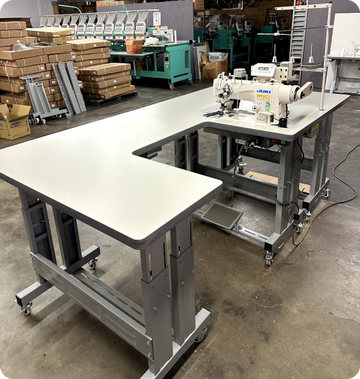
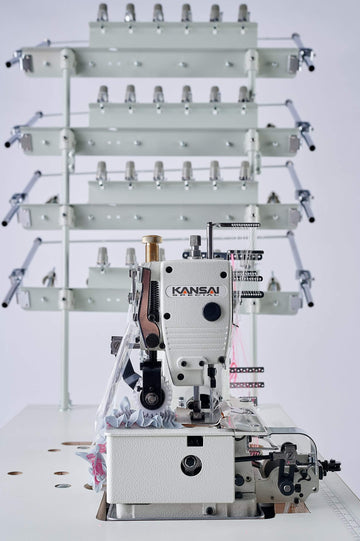
Commercial embroidery machines are suitable for business purposes. Their highly powerful motors can handle heavyweight fabrics and accelerate production efficiency. They also come up with additional features like sergers, free-motion quilting options, and extension tables for quilters. These won’t be easy to find on home embroidery machines, which are also much smaller and slower.
Types of Embroidery Machines
There are different types of embroidery machines for sale. These include:
-
Home embroidery machines are suitable for personal use when you want to decorate garments in a home setting. They perform basic embroidery tasks due to the lower stitching speed and smaller working area. Home machines have only one needle, which makes you change thread spools for each new color in your design.
-
Commercial embroidery machines are meant for larger-scale production. They may have up to 20 separate needles to enable fast stitching speed without needing to change threads. Their highly powerful motors and large hoop sizes help handle heavy fabrics like leather and upholstery material.
-
Industrial embroidery machines are ideal for quality mass production for extended periods of time. They offer multiple needles and powerful motors that drastically reduce production time for bulk orders. Industrial machines also have a larger embroidery area and a lot of accessory options to sew on multiple garments at one time. Unlike commercial machines, they focus not only on the reduced production time but also on the quality of individual items.
Key Factors to Consider When Choosing an Embroidery Machine
When choosing an embroidery home machine, you consider much more than just home or industrial use cases. The main features include:
-
Speed and Efficiency: Users should be able to manipulate the speed for working efficiency. With over 1,000 stitches per minute, the machine can complete different types of projects in a shorter period of time.
-
Design Capacity: Users should be able to adjust the stitch length and width to achieve small and large designs of different complexity.
-
Fabric compatibility: Users should choose between home and industrial machines to handle light- and heavy-weight fabrics, ensuring an appealing and durable finish.
-
Ease of Use: Automatic needle threading, thread cutting, and adjustable sewing speeds make the machine user-friendly. In some cases, users can create designs manually by moving the fabric under the needle.
-
Maintenance and Durability: Users need to clean the industrial embroidery machine and its table after each use, oil moving parts, change needles regularly, and ensure smooth tension. The use of high-quality thread and materials can also help prevent issues.
Why Choose a Commercial Embroidery Machine?
Large businesses like using commercial embroidery machines for high-volume production. This type of sewing machine can complete various designs that might take hours to do manually. It can produce over 1,000 stitches per minute, without losing quality. Every stitch looks even and neat. You can add names, logos, or any other elements to different items.
Investing in commercial embroidery machines that offer room for growth can be beneficial for large-scale embroidery operations. Despite maintenance costs, accessories and potential upgrades, the machine’s speed and versatility can significantly increase productivity and are suitable for both small businesses and home embroidery businesses.
Price Range for Embroidery Machines
The cost of embroidery machines may range from $3,000 to $13,000 and above. Home machines have a simple build and limited functionality, which makes them more affordable compared to commercial ones. For example, Prizzi PRZ-1202CT averages around $5,365 while AMS210ENHL1306SZ5000DD/MC587EIP420F/JTAM2 costs over $13,000. Web discounts can help you pay a more reasonable price.
When choosing an embroidery machine for sale in South El Monte, Los Angeles, California, you should consider your needs and available budget. Pay attention to the needle configuration, USB connectivity, built-in designs, automatic threading and cutting features, and embroidery areas. Make sure to find the right balance between the price and quality.
Look for the best embroidery machine on today’s market to create exquisite designs on fabrics. Explore the available options in terms of functionality, reliability, and cost. Also, consider your professional or amateur needs. From mechanical to computerized models, each comes with unique advantages and serves different purposes. To protect yourself from emergencies, make sure to find a good embroidery machine with a warranty. There are plenty of great value options, so you should choose the one that both meets your needs and gives you the opportunity to improve your craft.
Read less