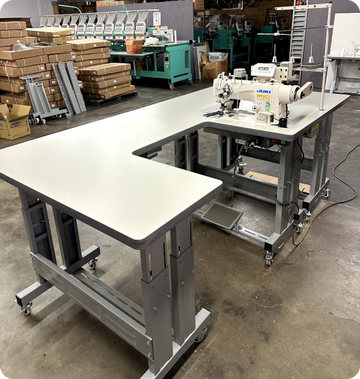
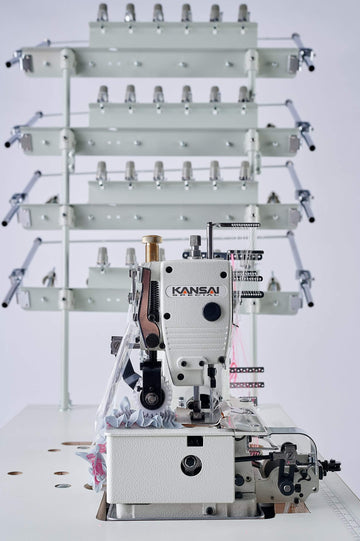


Whether you're starting a tailoring shop, upgrading your production line, or expanding a garment factory, choosing the right sewing machine is one of the most important decisions you'll make. Juki has earned a worldwide reputation for producing reliable, durable, and high-performance sewing machines suitable for professionals in every industry.
Understanding the JUKI sewing machine types available today helps you invest in equipment that matches your production goals, fabric requirements, and budget.
Why Juki Is Trusted by Professionals
Juki has been manufacturing sewing equipment for decades and is recognized for precision engineering and exceptional durability. From small workshops to large-scale factories, businesses rely on Juki machines because they deliver consistent stitch quality, high operating speeds, and lower maintenance costs.
Different industries require different machine capabilities. A fashion boutique may need versatile lockstitch machines, while a furniture manufacturer depends on heavy-duty walking foot models.
Lockstitch Machines
Lockstitch machines are among the most common industrial sewing machines. They create clean, secure stitches suitable for woven fabrics, uniforms, shirts, trousers, dresses, and many other garments.
Modern lockstitch models often include:
-
Automatic thread trimming
-
Needle positioning
-
Energy-efficient servo motors
-
Adjustable stitch length
-
High-speed sewing performance
These machines are ideal for manufacturers seeking speed without sacrificing stitch quality.
Overlock (Serger) Machines
Overlock machines trim fabric edges while stitching them simultaneously. This process creates professional seam finishes that prevent fraying and improve garment durability.
Many apparel manufacturers use overlock machines for knitwear, sportswear, children's clothing, and fashion garments where neat seam finishing is essential.
When comparing the types of JUKI sewing machine, overlock models are among the most valuable additions to any production line because they improve efficiency while producing clean, factory-quality results.
Coverstitch Machines
Coverstitch machines specialize in hemming stretch fabrics. They're commonly used for T-shirts, athletic wear, leggings, and other knit garments.
Their distinctive parallel stitches provide flexibility while maintaining strength, making them essential for clothing that experiences frequent movement and stretching.
Walking Foot Machines
Walking foot machines feed multiple fabric layers evenly, preventing shifting or puckering. These machines are commonly used for sewing:
-
Leather
-
Upholstery
-
Canvas
-
Vinyl
-
Heavy denim
-
Automotive interiors
Businesses producing furniture or heavy textile products benefit greatly from these machines because they maintain stitch consistency on thick materials.
Zigzag Machines
Zigzag machines produce decorative and functional stitches that increase flexibility and strength. They are commonly used in:
-
Swimwear production
-
Lingerie
-
Elastic attachment
-
Decorative stitching
-
Reinforcement sewing
Although not required in every workshop, zigzag machines provide additional versatility for manufacturers producing specialized garments.
Bartack Machines
Bartack machines reinforce areas exposed to repeated stress, including belt loops, pocket corners, and workwear seams.
Instead of continuous stitching, these machines create dense reinforcement patterns that significantly improve garment durability.
Manufacturers producing uniforms, jeans, outdoor clothing, and industrial workwear frequently rely on bartack machines to reduce product failures.
Read Also: How to Choose the Right Brother Sewing Machine for Your Creative Projects
Buttonhole and Button Sewing Machines
Automating button attachment dramatically increases productivity while improving consistency.
Buttonhole machines create uniform openings with precise dimensions, while button sewing machines securely attach buttons at high speed.
For garment factories producing dress shirts, jackets, and uniforms, automation in these operations saves substantial labor costs.
Cylinder Bed Machines
Cylinder bed machines feature a narrow cylindrical sewing surface, making it easier to sew difficult three-dimensional products such as:
-
Bags
-
Shoes
-
Gloves
-
Sleeves
-
Hats
-
Leather accessories
These machines provide better maneuverability when compared to traditional flat-bed designs.
Heavy-Duty Industrial Machines
Heavy-duty industrial models are engineered for demanding production environments involving thick materials and continuous operation.
Among the many JUKI industrial sewing machine types, heavy-duty lockstitch and walking foot machines are especially popular in upholstery, leather manufacturing, automotive production, and industrial textile applications where reliability is critical.
How to Choose the Right Juki Machine
Before purchasing, consider several important factors:
-
Type of fabric
-
Production volume
-
Required stitch style
-
Automation features
-
Available workspace
-
Future business growth
Selecting equipment based on your actual production needs helps maximize efficiency and reduce operating costs over time.
Why Buy from Prizzi Sewing?
At Prizzi Sewing, we help customers identify the ideal industrial sewing equipment for their specific applications. Whether you're launching a small tailoring business or managing a high-volume garment factory, our experienced team can recommend machines that improve productivity and deliver long-term value.
We also provide expert guidance, reliable customer support, and access to premium industrial sewing equipment from trusted manufacturers.
Final Thoughts
Juki continues to set industry standards through innovation, reliability, and exceptional sewing performance. By understanding the different machine categories available, businesses can make informed investments that improve productivity, product quality, and profitability.
If you're ready to upgrade your sewing operation, explore the professional range available at Prizzi Sewing and find the perfect Juki machine for your production needs.