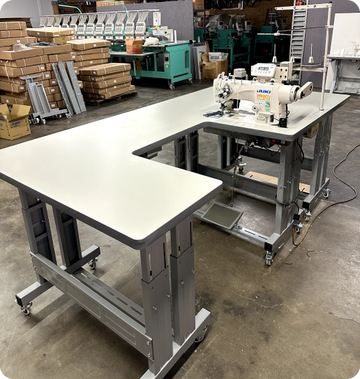

A JUKI industrial sewing machine is designed to handle demanding sewing tasks while delivering consistent, professional results. However, like any piece of precision equipment, it requires regular maintenance to operate smoothly. One of the most important maintenance tasks is proper lubrication. Without sufficient oil, internal components can experience friction, overheating, excessive wear, and eventually mechanical damage.
Whether you are a beginner or an experienced sewing professional, understanding how to oil a JUKI industrial sewing machine can help extend its lifespan and maintain reliable stitching performance.
In this guide, we will explain which oil to use, how to open the oil bottle, how to refill the oil reservoir, and how to drain old oil safely.
Why Is Oiling a JUKI Industrial Sewing Machine Important?
Industrial sewing machines operate at high speeds, sometimes producing thousands of stitches per minute. Their internal components constantly move against one another, creating friction.
Regular lubrication helps:
-
Reduce friction between moving mechanical parts.
-
Prevent premature wear and tear.
-
Minimize overheating during extended sewing sessions.
-
Maintain smooth and consistent machine operation.
-
Protect important components from unnecessary damage.
-
Extend the overall working life of your sewing machine.
Knowing how to oil a JUKI sewing machine is particularly important if you use your equipment daily for garment production, alterations, upholstery, or other professional sewing projects.
What Oil Should You Use for a JUKI Sewing Machine?
Before learning how to add oil to JUKI equipment, make sure you have the correct lubricant.
Many JUKI industrial lockstitch models, including machines in the DDL-8700 series, specify JUKI New Defrix Oil No. 1 or JUKI Machine Oil #7, depending on the particular model and manual.
Always check your machine's instruction manual before purchasing oil. Different JUKI models may have different lubrication requirements.
Avoid using cooking oil, motor oil, general-purpose household lubricants, or other unsuitable products. These substances may affect lubrication performance and damage machine components.
Use clean, manufacturer-recommended sewing machine oil for the best results.
Read Also: How to Sew Stretch Lace Fabric: A Complete Guide to Beautiful Results
How to Open a JUKI Oil Bottle
If you have purchased JUKI sewing machine oil for the first time, you might wonder how to open the container without spilling it.
The process is generally straightforward:
-
Place the oil bottle upright on a clean, stable surface.
-
Hold the bottle firmly and turn the outer cap counterclockwise.
-
If the bottle has an inner safety seal, remove it carefully according to the packaging instructions.
-
Check whether the bottle has a dispensing nozzle or a removable pouring insert.
-
Keep the cap and nozzle clean to prevent dust and debris from entering the oil.
If you are searching for JUKI oil how to open, remember that packaging can vary between suppliers and bottle sizes. Some containers have tamper-evident seals or specially designed dispensing caps.
Do not force the cap or puncture the bottle unnecessarily. Follow the manufacturer's packaging instructions to avoid damaging the container.
How to Oil a JUKI Sewing Machine: Step-by-Step Instructions
Learning how to oil a JUKI sewing machine does not have to be complicated. Many industrial models feature a built-in oil reservoir that makes routine lubrication relatively simple.
Follow these steps when maintaining a compatible JUKI industrial machine.
Step 1: Turn Off and Unplug the Machine
Safety should always come first.
Switch off the sewing machine and disconnect the power supply before performing maintenance. Make sure the motor and machine have completely stopped.
This prevents accidental starting while you are working around moving mechanical components.
Step 2: Locate the Oil Pan
The oil pan is generally located underneath the machine head, inside the sewing table assembly.
On machines such as the JUKI DDL-8700, the oil reservoir includes HIGH and LOW markings that indicate the appropriate oil level.
Locate the oil-level indicator and inspect the current amount of oil before adding anything.
Step 3: Check the Existing Oil Level
Look at the oil-level indicator to determine whether the reservoir needs refilling.
If the oil level is approaching the LOW mark, prepare to add the specified lubricant. If it is already at the HIGH mark, additional oil is unnecessary.
Avoid overfilling the reservoir because excessive oil can create leakage and mess around the machine.
Step 4: Add the Correct Sewing Machine Oil
When learning how to oil an industrial JUKI sewing machine, accuracy is more important than speed.
Carefully pour the recommended JUKI oil into the designated reservoir opening.
Add the oil gradually while monitoring the indicator. For compatible DDL models, the correct filling level is the HIGH mark.
Stop pouring once the oil reaches the recommended level.
Step 5: Clean Up and Inspect the Machine
Wipe away any oil spilled around the reservoir or machine table.
Check that the oil pan is properly closed and that there are no visible leaks.
Before reconnecting the power, make sure all tools and cleaning materials have been removed from the working area.
How to Fill a JUKI Oil Pan Correctly
Understanding how to fill a JUKI oil pan is essential for maintaining the automatic lubrication system.
For compatible models such as the DDL-8700, the manufacturer's instructions specify filling the oil pan with the recommended lubricant up to the HIGH mark.
The LOW mark indicates when additional oil is needed. Do not wait until the reservoir is completely empty before refilling it.
Once the oil has been added, inspect the oil sight window during operation. On applicable models, visible oil splashing through this window indicates that the lubrication system is functioning.
Remember that the amount of oil splashing through the sight window is not necessarily related to the amount of oil inside the reservoir.
How to Drain Oil From a JUKI Sewing Machine
Sometimes adding fresh oil is not enough. If the existing lubricant becomes dirty or contaminated, replacing it may be necessary.
If you are wondering how to drain oil from a JUKI sewing machine, first identify the correct draining procedure for your specific model.
Follow these general precautions:
-
Turn off and unplug the machine.
-
Allow the machine to stop completely.
-
Place an appropriate oil-resistant container underneath the designated drain point.
-
Consult the instruction manual to identify the correct drain plug or removal procedure.
-
Carefully drain the old oil without spilling it onto the motor, electrical components, or surrounding surfaces.
-
Dispose of the used oil according to local waste-disposal requirements.
-
Close and secure the drain point according to the manufacturer's instructions.
-
Refill the reservoir with fresh, specified sewing machine oil.
Not every JUKI model uses the same oil-pan design or draining method. Never remove random screws or dismantle the lubrication system simply to release old oil.
If your model does not have a clearly identified drain procedure, consult an authorized technician.
Common Oiling Mistakes to Avoid
Even experienced sewing machine operators can make lubrication mistakes. Avoid these common problems:
Using the wrong oil: Always use the lubricant recommended for your specific JUKI model.
Overfilling the reservoir: Follow the HIGH and LOW markings instead of guessing the correct quantity.
Ignoring dirty oil: Contaminated lubricant should be replaced according to the manufacturer's maintenance instructions.
Forgetting regular inspections: Check the oil level frequently, especially when using the machine for long production sessions.
Oiling without switching off the machine: Always disconnect the power before performing maintenance.
Ignoring the instruction manual: Some JUKI machines use automatic lubrication systems, while others have different lubrication arrangements. Never assume every model requires identical maintenance.
How Often Should You Oil a JUKI Industrial Sewing Machine?
The required maintenance frequency depends on your machine model, working speed, production schedule, and operating environment.
For machines with an automatic oil reservoir, check the oil level regularly and refill it whenever it approaches the LOW marking.
Machines that use manual lubrication may require oiling at specific points and intervals described in their instruction manuals.
Also inspect the oil for dirt, discoloration, and contamination. Replace it when necessary according to the manufacturer's recommendations.
If your sewing machine has been unused for an extended period, inspect its lubrication system before returning it to regular operation.
Final Thoughts
Knowing how to oil a JUKI industrial sewing machine is an essential part of responsible machine maintenance. Using the correct lubricant, keeping the oil reservoir at the recommended level, and inspecting the lubrication system regularly can help prevent unnecessary wear and maintain consistent sewing performance.
Whether you need to open a JUKI oil bottle, refill the oil pan, or replace contaminated lubricant, always follow the instructions for your particular machine model.
A little attention to regular maintenance can make a significant difference in the reliability, efficiency, and working life of your industrial sewing equipment.