Best sewing machine under $1000
Moving up to the $1,000 price range opens the door to machines built for serious sewing. At this level, you can expect more advanced features, stronger construction, and the versatility to handle everything from delicate silk to layered denim. If you're ready to buy the best sewing machine under $1000, this guide explains which features matter and how to match a machine to the way you sew.
40+ Years of Trust
Empowering top manufacturers since 1981
KANSAI Distributor
Best specialized machines & support
Lifetime Warranty
On all PRIZZI custom sewing tables
100% New Machines
Come with the standard manufacturer's warranties
Pre Black Friday Sale
Save Now Up to 50% & Get Extra Bonus Code for Black Friday
days
days
hours
hrs
minutes
mins
seconds
secs
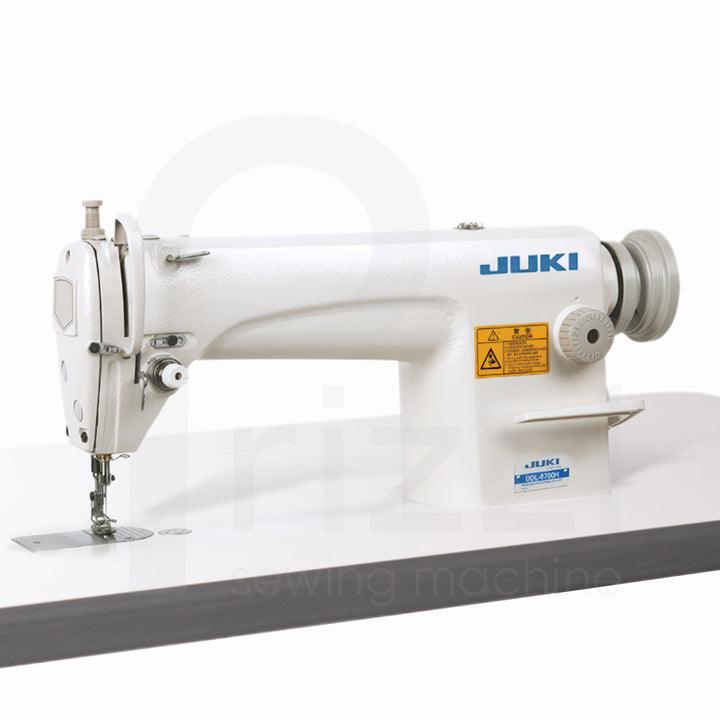
Industrial Lockstitch Machine JUKI DDL-8700H Medium to Heavy Fabrics Configuration
Brand:
JUKI
Industrial Lockstitch Machine JUKI DDL-8700 High Speed, Automatic Lubrication
Brand:
JUKI
Industrial Lockstitch Machine JUKI DDL-8700L Leather and Heavy Materials
Brand:
JUKI
Household Lockstitch Machine Juki HZL-LB5100
Household Lockstitch Machine Juki HZL-HT710
Household Lockstitch Machine Juki HZL-F300
Industrial Lockstitch Machine JUKI DDL-5550NH Refined Feed & Thread Path, Heavy Materials
Brand:
JUKI
Household Lockstitch Machine Juki HZL-80HP-A
Household Lockstitch Machine Juki HZL-HT740
Household Lockstitch Machine Juki HZL-G120
Household Lockstitch Machine Juki HZL-G220
What to Expect From a Sewing Machine Under $1,000
A sewing machine under 1000 typically offers sewing speeds of 850–1,500 stitches per minute, precise stitch formation, and smooth fabric handling across multiple layers. Many models feature metal internal frames, wider throat space, and large stitch libraries with memory functions. Options range from refined home machines and advanced computerized models to heavier-duty straight-stitch machines designed for thick materials and longer sewing sessions.
Read moreWhat to Expect From a Sewing Machine Under $1,000
A sewing machine under 1000 typically offers sewing speeds of 850–1,500 stitches per minute, precise stitch formation, and smooth fabric handling across multiple layers. Many models feature metal internal frames, wider throat space, and large stitch libraries with memory functions. Options range from refined home machines and advanced computerized models to heavier-duty straight-stitch machines designed for thick materials and longer sewing sessions.
How to Choose the Best Sewing Machine Under 1000
Begin with the projects and fabrics you sew most. Garment makers need precise stitch control, quilters benefit from extra throat space, and anyone working with canvas or leather needs strong feeding and motor power. Mechanical machines offer durability and simple servicing, while computerized models add precision, stitch memory, and automation. Compare stitch selection and speed against your actual needs, then check machine size and sewing table compatibility. Finally, review the included accessories and how easy routine cleaning and oiling will be.
Key Features to Compare
The best sewing machines under $1000 stand out in a few key areas. Look for wide stitch adjustability, enough stretch, decorative, and buttonhole options for your projects, and speed control for detailed work. A reliable needle threader, automatic thread cutter, and jam-resistant bobbin system simplify thread handling. An effective feed system, sometimes with dual feed or a walking foot, keeps layers aligned. Also compare automatic functions, the range of presser feet included, stability at high speed, and warranty length and service support.
Best Sewing Machine Under 1000 Dollars for Different Sewing Needs
Your priorities determine the best sewing machine under 1000 dollars for you:
-
Everyday sewing and alterations: dependable utility stitches, a free arm, and easy threading.
-
Garment making: stretch stitches, multiple buttonhole styles, and precise speed control.
-
Quilting and larger projects: wide throat space, an extension table, and even feeding.
-
Heavy or dense fabrics: a strong motor, adjustable presser-foot pressure, and a sturdy frame.
-
Advanced home sewing: large stitch libraries, memory functions, and extensive automation.
-
Small-scale commercial work: high-speed straight-stitch models built for long sessions.
Home vs. Industrial and Commercial Sewing Machines
Household machines are designed for versatility, offering many stitch types in a compact, portable body. Industrial machines are built for continuous production: they run much faster, usually perform one specialized task, and are typically mounted on a dedicated table with a separate motor. Commercial machines sit between the two, handling heavier workloads than home models while remaining practical for small studios. The right choice depends on your workload, since a production setup is unnecessary for occasional projects, while a household machine may struggle under constant heavy use.
Fabrics and Sewing Performance
Lightweight fabrics such as chiffon and silk require fine needles, gentle presser-foot pressure, and even feeding to prevent puckering. Medium-weight cotton and linen are handled well by most machines, while denim, canvas, and upholstery fabrics demand a powerful motor, strong piercing force at low speeds, and adjustable foot pressure. Consistent feeding and stitch quality matter with every material, because uneven feeding causes shifting layers, skipped stitches, and wavy seams. Always match the needle size and type to the fabric.
Quality, Warranty, and Long-Term Value
Construction quality directly affects stitch consistency and lifespan. Metal frames reduce vibration, while precise internal components keep tension stable over years of use. Before you buy one of the best sewing machines under 1000, check what the warranty covers, including the frame, motor, and electronics, and for how long. Also consider the availability of replacement parts, compatible accessories, and authorized service centers. A machine that's easy to maintain delivers better long-term value than one with more features but limited support.
Common Mistakes When Buying a Sewing Machine Under 1000
The most common mistake is choosing based only on stitch count, since most sewists rely on a small set of stitches. Others ignore the fabrics and projects they actually sew, or confuse a domestic machine with an industrial or commercial one and expect production-level output from a home model. Overlooking your workspace and sewing table size can create problems after setup. Choosing features you'll rarely use adds complexity, and ignoring warranty terms can leave you unprotected when repairs are needed.
Is a Sewing Machine Under $1,000 Worth It?
For dedicated sewists, yes. This budget delivers stronger construction, refined stitch quality, faster speeds, and features that simplify complex projects. Garment makers, quilters, advanced hobbyists, and those starting small sewing businesses benefit most. Performance and durability should come first, followed by versatility for your specific projects. If you sew regularly or work with demanding fabrics, the best sewing machine under $1000 becomes a long-term tool rather than a frequent upgrade.
Conclusion
The right machine comes down to matching it with your experience, fabrics, workload, and projects. Focus on stitch quality, reliable feeding, solid construction, and warranty support rather than the longest feature list. Decide whether a household, commercial, or specialized model suits you, and you'll be well prepared to compare the best sewing machines under $1000 and choose one that serves you for years.
Read less- Featured
- Most relevant
- Best selling
- Alphabetically, A-Z
- Alphabetically, Z-A
- Price, low to high
- Price, high to low
- Date, old to new
- Date, new to old