Best sewing machine under 2000
The $2,000 price range is where sewing machines shift from capable to exceptional. Machines in this category deliver higher speeds, superior precision, robust construction, and specialized features for demanding projects. Whether you're an advanced hobbyist, a quilter, or a professional, choosing the best sewing machine under 2000 means weighing performance, durability, and precision against the work you actually do. This guide covers what matters most.
40+ Years of Trust
Empowering top manufacturers since 1981
KANSAI Distributor
Best specialized machines & support
Lifetime Warranty
On all PRIZZI custom sewing tables
100% New Machines
Come with the standard manufacturer's warranties
Pre Black Friday Sale
Save Now Up to 50% & Get Extra Bonus Code for Black Friday
days
days
hours
hrs
minutes
mins
seconds
secs
Household Lockstitch Machine Juki HZL-F600
Household Lockstitch Machine Juki TL-2000Qi
Industrial Overlock Sewing Machine MX5204-32R2/223L-1.5
Brand:
Pegasus
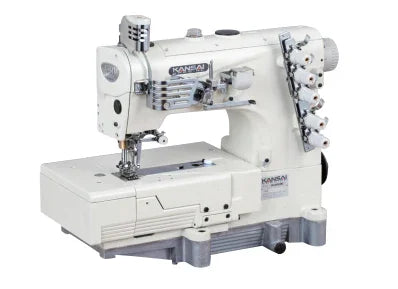
Industrial CoverStitch Machine NW-8803GMG-1/4 (6.4 mm)
Brand:
KANSAI SPECIAL
Blindstitch Hemming Machine Consew CM-101-1 Industrial Blindstitch Hem Stitch
Industrial Lockstitch Machine JUKI DDL-5600NL Double-Capacity Hook, Heavy-Weight Applications
Brand:
JUKI
Industrial Overlock Sewing Machine JUKI MO-6804AD-0E440-HDD10S
Brand:
JUKI
Household Lockstitch Machine Juki HZL-F400
Household Lockstitch Machine Juki HZL-DX5
Household Lockstitch Machine Juki TL-15
Industrial Overlock Sewing Machine JUKI MO-6843AS-1D6-40H-DD10S
Brand:
JUKI
Industrial Overlock Sewing Machine MX5204-02/233-4/KS0C
Brand:
Pegasus
Industrial Overlock Sewing Machine MX3244-03/333
Brand:
Pegasus
Industrial Overlock Sewing Machine M922-02X250-24
Brand:
Pegasus
What to Expect From a Sewing Machine Under $2,000
A sewing machine under 2000 typically offers speeds of 1,000–1,500 stitches per minute on domestic models, and up to 5,000 or more on industrial straight-stitch machines. Expect highly consistent stitches, refined feeding across multiple layers, and solid metal frames that minimize vibration. Options include advanced computerized machines with large touchscreens and extensive stitch libraries, high-speed quilting models with wide throat space, and industrial or semi-industrial machines suited to professional work and selected commercial applications.
Read moreWhat to Expect From a Sewing Machine Under $2,000
A sewing machine under 2000 typically offers speeds of 1,000–1,500 stitches per minute on domestic models, and up to 5,000 or more on industrial straight-stitch machines. Expect highly consistent stitches, refined feeding across multiple layers, and solid metal frames that minimize vibration. Options include advanced computerized machines with large touchscreens and extensive stitch libraries, high-speed quilting models with wide throat space, and industrial or semi-industrial machines suited to professional work and selected commercial applications.
How to Choose the Best Sewing Machine Under 2000
Start by defining your projects and workload. Occasional garment sewing calls for a different machine than daily production or large quilts. Next, consider fabric types and thicknesses, since silk, knits, denim, leather, and upholstery each place different demands on the machine. Compare machine types: mechanical models are durable and simple, computerized machines offer precision and automation, and industrial machines deliver speed and power for repetitive tasks. Evaluate stitch options, precision, and ease of operation, then check your workspace, table compatibility, and included accessories.
Key Features to Compare Before You Buy a Sewing Machine Under 2000
Stitch quality and consistency come first: look for balanced tension and even stitches at every speed. Check maximum sewing speed against your workload, and assess the feeding system, whether dual feed, walking foot, or compound feed for heavy materials. Confirm needle and thread compatibility for your fabrics, then compare automatic functions such as thread cutting, needle positioning, and adjustable presser-foot pressure. Motor performance and stability determine how well the machine handles thick seams, while included accessories and maintenance requirements affect daily convenience.
Domestic vs. Industrial and Commercial Sewing Machines
Domestic machines prioritize versatility, combining many stitch types in a portable body for varied home projects. Industrial machines are built for continuous operation: they run at much higher speeds, usually specialize in one task such as straight stitching or overlocking, and are mounted on a dedicated table with a servo or clutch motor. Commercial machines bridge the gap, handling heavier workloads in small studios or alteration shops. An industrial machine makes sense for professional sewing or repetitive production, but for varied home projects, a versatile domestic model is usually the better fit.
Fabric Compatibility and Sewing Performance
Lightweight fabrics such as chiffon and organza need fine needles, light presser-foot pressure, and precise feeding to avoid puckering. Medium-weight cotton and linen suit most machines, while denim, canvas, and leather require strong piercing power, heavy-duty needles, and bonded or heavy thread. Using the right needles, presser feet, and thread matters as much as the machine itself. Look for consistent feeding and stitch precision across fabric types, especially if your projects combine stretch, woven, and layered materials.
Build Quality, Warranty, and Long-Term Value
For frequent sewing, construction quality directly affects reliability. Metal frames, precision gears, and well-engineered feeding mechanisms maintain accuracy through years of heavy use. Review warranty coverage for the frame, motor, and electronics, and confirm that replacement parts, accessories, and technical support are easy to obtain. Also consider operating requirements: industrial machines need regular oiling, adjustment, and sometimes professional servicing. A machine that's well supported and easy to maintain delivers greater long-term value.
Common Mistakes to Avoid When Buying a Sewing Machine Under 2000
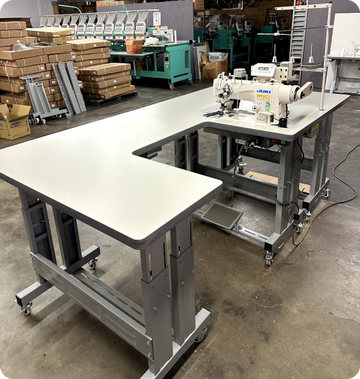
Judging a sewing machine under 2000 by price alone often leads to the wrong choice. Many sewists also overlook fabric compatibility, only to find their machine struggles with leather or delicate knits. Choosing industrial equipment without considering workspace, noise, and power needs is another frequent misstep, as is ignoring the need for a suitable sewing table. Selecting features that don't support your projects adds complexity, and failing to review warranty terms and maintenance requirements can lead to unexpected downtime.
Is the Best Sewing Machine Under 2000 Worth the Investment?
For many sewists, yes. This range offers faster speeds, greater precision, durable construction, and capabilities that improve both results and productivity. Advanced hobbyists, dedicated quilters, costume and garment makers, and small sewing businesses benefit most. Weigh performance and durability alongside versatility and long-term upkeep. A specialized industrial model may outperform a feature-rich domestic machine for production work, while the reverse is true for varied creative sewing. The best sewing machine under 2000 is the one that fits your needs, not simply the most expensive option.
Conclusion
Choosing the right machine starts with understanding your projects, fabrics, and workload. Compare specifications, fabric compatibility, construction quality, and warranty coverage carefully, and make sure your workspace suits the machine you choose. Whether you need a versatile domestic model or a dedicated industrial workhorse, the best sewing machine under 2000 is one built for the work you do every day, delivering consistent results for years.
Read less- Featured
- Most relevant
- Best selling
- Alphabetically, A-Z
- Alphabetically, Z-A
- Price, low to high
- Price, high to low
- Date, old to new
- Date, new to old