Whether you are producing embroidered patches, attaching badges to finished garments, or handling patchwork and repair projects, choosing a reliable machine can make the process faster, easier, and more consistent.
At Prizzi Sewing, we understand that different sewing projects require different machines. That is why our collection is designed to help you find equipment suited to both everyday patching and more demanding production work.
Choosing the Right Machine for Patch Work
When looking for equipment for patch applications, it is important to consider the type of material you work with, the volume of sewing you handle, and the finish you want to achieve.
A good patch machine sewing setup should provide consistent stitching while giving you enough control to work around different patch shapes and garment materials. For occasional projects, a versatile sewing machine may be all you need. For businesses producing patches or attaching them regularly, a specialised or industrial machine can provide greater speed and durability.
The right choice can also reduce frustration. Thick patches, multiple fabric layers, denim, canvas, uniforms, and workwear can all place greater demands on a machine than lightweight fabrics.
Sewing Patches Onto Different Materials
One of the biggest advantages of using a suitable machine is versatility. Patches are commonly applied to jackets, jeans, uniforms, hats, bags, backpacks, work clothing, and other textile products.
With the right patching machine sewing equipment, you can achieve neat and dependable stitching without relying entirely on hand sewing. Machine stitching is particularly useful when you need to attach a large number of patches or maintain a consistent appearance across multiple garments.
Before starting, always check that the needle, thread, presser foot, and stitch settings are appropriate for the fabric and patch you are working with.
What Makes a Good Machine for Patches?
A machine used for patch applications should be easy to control, dependable, and capable of handling the materials involved in your projects.
If you are comparing a sewing machine for patches, look for features such as strong construction, suitable stitch options, good fabric handling, and the ability to work comfortably with thicker materials.
For professional users, speed and durability can be just as important as stitch quality. A machine that is built for regular use can help improve productivity while reducing unnecessary downtime.
It is also worth thinking about the size and type of patches you normally work with. Small decorative patches may require different handling from large embroidered badges or heavy-duty uniform patches.
Professional Patching and Production
For workshops, clothing manufacturers, alteration businesses, uniform suppliers, and other professional users, equipment needs to withstand regular operation.
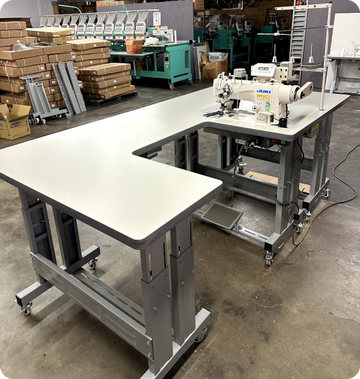
A dedicated patching sewing machine can be a valuable addition when patch attachment is an important part of your workflow. These machines are designed to provide controlled stitching and consistent results, helping operators complete repetitive jobs more efficiently.
If your business handles a high volume of garments, investing in suitable industrial equipment can make a noticeable difference. The machine becomes part of the production process rather than simply another tool on the workbench.
Creating and Attaching Patches
There is an important difference between making a patch and sewing a patch onto a garment. Some users need equipment primarily for attachment, while others are interested in creating decorative or embroidered patches from scratch.
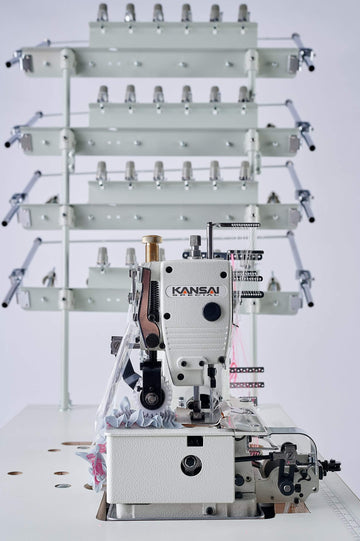
A patch sewing machine can be useful for applications where precise and reliable stitching is essential. Depending on the machine and setup, you may be able to work with different fabrics, threads, and decorative techniques.
If you are creating patches yourself, consider the final size, design complexity, fabric type, and required level of detail before choosing your equipment.
Tips for Sewing a Patch
Even with a quality machine, preparation matters. Start by positioning the patch carefully and securing it so it does not move during sewing. Choose thread that complements the patch and garment, then test your settings on a scrap piece of material whenever possible.
When sewing a patch with sewing machine equipment, work steadily rather than forcing the fabric through the machine. Let the machine feed the material naturally and pay particular attention when sewing around corners or curves.
For patches that will experience frequent washing, outdoor use, or heavy wear, strong stitching is especially important. A secure attachment helps prevent the edges from lifting over time.
Making Your Own Patches
If you are interested in producing your own designs, you may be searching for a patch making sewing machine that can support creative projects as well as production requirements.
The best setup depends on what you want to make. Hobbyists may prioritise ease of use and flexibility, while professional makers may need greater speed, repeatability, and long-term reliability.
It is also useful to think about future projects. Choosing a machine that can handle more than one type of sewing task can give you greater value as your skills or business develop.
Choosing Equipment for Your Business
There is no single machine that is perfect for every patch application. The sewing machine that makes patches most sense for you will depend on whether you are producing patches, attaching them, or doing both.
Consider how often you will use the machine, the fabrics you work with, the thickness of your materials, and the volume of your orders. These factors can help narrow down the right type of equipment before you make a purchase.
For businesses, reliability should always be part of the decision. A dependable machine can help maintain consistent quality and keep production moving when orders increase.
Finding the Best Option for Your Needs
Searching for the best sewing machine for patches can quickly become confusing because there are many machine types, features, and price points available. Instead of choosing based only on price, focus on the work you actually need the machine to perform.
Think about your current projects and where you expect your business or sewing work to go in the future. A machine that suits your materials and workload will usually be a better investment than one selected simply because it has the most features.
For heavier professional workloads, an industrial patch sewing machine may be the right choice. Industrial equipment is designed with demanding environments in mind and can offer the durability and performance required for regular production.
Read less