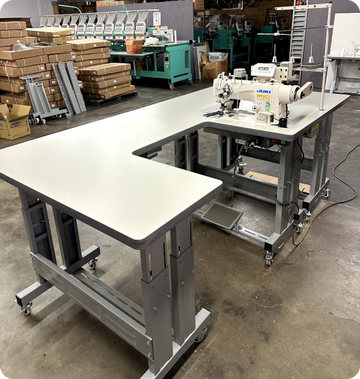
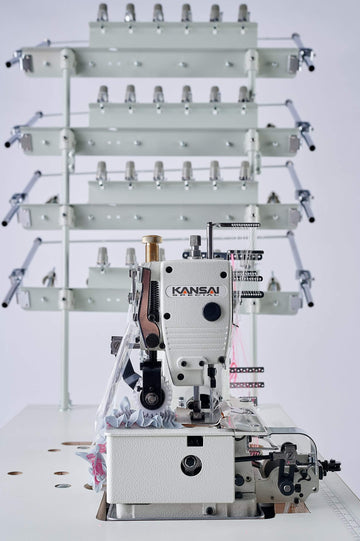


La industria de la confección está evolucionando más rápido que nunca. El aumento de los costos laborales, las mayores expectativas de calidad y los plazos de entrega más exigentes están impulsando a los fabricantes a replantearse cómo producen prendas. Hoy, la modernización no consiste solo en añadir más máquinas, sino en adoptar soluciones inteligentes y automatizadas que mejoren la eficiencia, la uniformidad y la escalabilidad en toda la planta de producción.
Juki ha sido durante mucho tiempo un nombre de confianza en la costura industrial, y su nueva generación de máquinas está diseñada específicamente para las fábricas de confección modernas. Al combinar un funcionamiento de alta velocidad con controles digitales inteligentes, las máquinas Juki ayudan a los fabricantes a reducir la mano de obra manual, minimizar los errores y mantener una calidad superior a grandes volúmenes.
Tres máquinas en particular —la Juki LBH-1790ANS/MC602EN, la Juki MB-1800A/BR10A y la Juki AMS-221EN-HS3020/X90014— demuestran cómo la tecnología de costura avanzada puede transformar la producción desde sus cimientos.
Ojales de precisión a velocidad industrial: Juki LBH-1790ANS/MC602EN
La confección de ojales puede parecer un paso pequeño en la elaboración de prendas, pero en la producción a gran escala puede convertirse rápidamente en un cuello de botella. La Juki LBH-1790ANS/MC602EN elimina este problema al ofrecer ojales ultrarrápidos y altamente uniformes que cumplen con exigentes estándares de calidad.
Esta máquina está diseñada para ofrecer velocidad sin sacrificar precisión. Su funcionamiento de alta velocidad permite a los fabricantes completar grandes volúmenes de ojales en mucho menos tiempo, manteniendo puntadas limpias y uniformes en cada prenda. El corte automático del hilo y la tensión controlada electrónicamente garantizan que cada ojal tenga un aspecto idéntico, independientemente del tipo de tejido o del ritmo de producción.
Una de las mayores ventajas de este modelo es su inteligencia digital. Los operadores pueden almacenar y recuperar fácilmente patrones de costura, lo que reduce considerablemente el tiempo de preparación al cambiar de estilo. En lugar de realizar ajustes manuales, los parámetros se seleccionan electrónicamente, lo que disminuye el riesgo de errores humanos y mejora la repetibilidad.
Para las fábricas que producen camisas, blusas, uniformes o prendas de abrigo, esta máquina ofrece un mayor rendimiento, reduce la fatiga del operador y proporciona resultados uniformes que resisten estrictos controles de calidad.
Costura inteligente de botones con máxima flexibilidad: Juki MB-1800A/BR10A
La costura de botones requiere algo más que velocidad: exige flexibilidad, fiabilidad y un acabado limpio. La Juki MB-1800A/BR10A está diseñada para satisfacer todas estas exigencias en una única solución compacta.
Esta máquina admite varios modos de costura de botones, lo que le permite adaptarse fácilmente a distintos tipos de prendas y volúmenes de producción. Tanto si los fabricantes trabajan con grandes lotes como con pedidos especializados más pequeños, la máquina puede ajustarse rápidamente sin interrumpir el flujo de trabajo. Esta versatilidad la hace especialmente valiosa para las fábricas que producen colecciones de prendas variadas.
Una amplia variedad de patrones de puntada integrados permite realizar de forma uniforme diseños de botones estándar y decorativos. La alimentación precisa y la formación exacta de las puntadas garantizan que los botones queden firmemente sujetos, reduciendo el riesgo de defectos o reclamaciones de clientes después del lavado y el uso.
Otro beneficio importante es su diseño de producción limpia. Al minimizar el uso de aceite en el cabezal de costura, la máquina ayuda a evitar manchas en los tejidos, un problema común al coser botones. Esto reduce el retrabajo, ahorra material y protege el aspecto final de las prendas, especialmente de los tejidos claros o de calidad superior.
Para los fabricantes que buscan tanto productividad como una presentación impecable, este modelo ofrece un rendimiento fiable y mantiene un acabado pulido.
Costura avanzada de patrones para resultados uniformes: Juki AMS-221EN-HS3020/X90014
A medida que las prendas se orientan cada vez más hacia el diseño, la uniformidad de las costuras decorativas y funcionales es más importante que nunca. La Juki AMS-221EN-HS3020/X90014 está diseñada para la costura precisa de patrones, por lo que es ideal para bolsillos, tapetas de polos, etiquetas y otros componentes estructurados.
Esta máquina de coser controlada por computadora utiliza un avanzado sistema de alimentación X-Y que desplaza el tejido con una precisión excepcional. Cada puntada sigue exactamente el patrón programado, eliminando las variaciones entre prendas y garantizando un acabado profesional en cada pieza. Su funcionamiento de alta velocidad permite a los fabricantes mantener la productividad incluso al coser diseños complejos.
La interfaz digital simplifica la gestión de patrones y permite a los operadores ajustar fácilmente la distribución, el tamaño y los parámetros de costura. Esto no solo reduce el tiempo de capacitación, sino que también facilita cambios rápidos de estilo, algo esencial en los entornos de moda dinámica y producción personalizada.
Además de precisión y velocidad, la máquina está diseñada pensando en la eficiencia. El consumo de energía optimizado y los ciclos de costura automatizados ayudan a reducir los costos operativos, manteniendo una producción fiable durante largas jornadas.
Para las fábricas que producen polos, prendas informales, ropa de trabajo o prendas con marca, esta máquina ofrece la uniformidad y el control necesarios para cumplir con las expectativas del mercado moderno.
Una visión más amplia: por qué importa la tecnología de costura avanzada
La producción moderna de prendas ya no consiste únicamente en coser, sino en contar con sistemas que trabajen juntos de manera eficiente. Las máquinas Juki avanzadas integran automatización, control digital e ingeniería de precisión para respaldar procesos de fabricación más inteligentes.
Al actualizarse a estas tecnologías, los fabricantes se benefician de:
Ciclos de producción más rápidos con menos tiempo de inactividad
Menor dependencia de los ajustes manuales y de la habilidad del operador
Una calidad más uniforme en grandes series de producción
Menor desperdicio de material y menos defectos
Mayor flexibilidad para adaptarse a los cambios de estilos y volúmenes
En una industria con márgenes reducidos y competencia global, estas ventajas pueden marcar una diferencia cuantificable.
También puedes leer: Optimización de fábricas de prendas infantiles con máquinas de coser automatizadas avanzadas
También puedes leer: Cómo duplicar la producción sin ampliar la plantilla: un caso práctico real
Avanzar con confianza
La Juki LBH-1790ANS/MC602EN, la MB-1800A/BR10A y la AMS-221EN-HS3020/X90014 representan más que simples máquinas individuales: representan un cambio hacia una producción de prendas inteligente y preparada para el futuro. Al combinar velocidad, precisión y eficiencia digital, estas soluciones ayudan a los fabricantes a seguir siendo competitivos mientras ofrecen la calidad que exige el mercado actual.
Modernizar la línea de producción no es solo una inversión en equipos. Es una inversión en uniformidad, escalabilidad y éxito a largo plazo.

Copropietario de Prizzi Sewing Machine Co.
Experto en la optimización del flujo de trabajo de fábricas de confección