

La fabricación de prendas infantiles es uno de los segmentos más exigentes de la industria de la confección. Desde los frecuentes cambios de estilo y las múltiples gamas de tallas hasta los estrictos requisitos de calidad y durabilidad, las fábricas deben equilibrar la velocidad, la uniformidad y el control de costos todos los días. A medida que las expectativas del mercado siguen aumentando, la automatización se ha convertido en un factor clave del éxito para las modernas fábricas de prendas infantiles.
Las máquinas de coser automatizadas avanzadas permiten a los fabricantes aumentar la productividad y mantener una calidad de puntada precisa en cada pieza. Al integrar equipos inteligentes en la línea de producción, las fábricas pueden reducir la dependencia de la mano de obra, minimizar los errores y crear una operación más escalable y preparada para el futuro.
Por qué es importante la automatización en la producción de prendas infantiles
Las prendas infantiles requieren una atención especial a los detalles. Las costuras deben ser resistentes, las puntadas deben ser uniformes y los acabados deben soportar el uso diario y los lavados frecuentes. Los procesos manuales suelen tener dificultades para ofrecer resultados uniformes a grandes volúmenes, especialmente durante los picos estacionales y con plazos de entrega ajustados.
Las máquinas de coser automatizadas resuelven estos desafíos al estandarizar las operaciones. Ejecutan tareas de costura complejas con una precisión que no depende del nivel de habilidad del operador. Esto se traduce en una mayor producción, menos defectos y un flujo de producción más fluido. Para los propietarios de fábricas y los responsables de producción, la automatización significa una mejor planificación, costos previsibles y una eficiencia general mejorada.
Conozca la Juki PS-800S-B8045ZKW: costura de patrones de precisión a gran escala
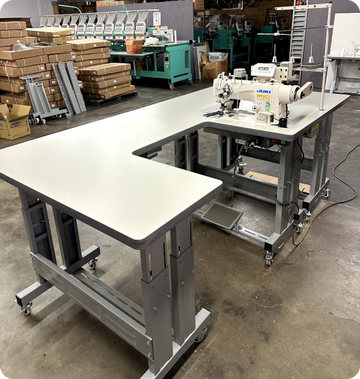
La Juki PS-800S-B8045ZKW es una potente máquina computarizada de costura de patrones, diseñada para realizar con facilidad operaciones de costura complejas y repetitivas. Es especialmente valiosa en la producción de prendas infantiles, donde es necesario fabricar rápidamente y con precisión múltiples patrones y tallas.
Una de las mayores ventajas de esta máquina es su amplia área de costura, que permite a los fabricantes trabajar con diversos paneles de prendas sin tener que reposicionar la tela varias veces. Esto reduce el tiempo de manipulación y aumenta la productividad. El sistema de memoria de patrones de la máquina permite a las fábricas almacenar cientos de programas de costura, lo que agiliza y simplifica los cambios de estilo.
Con su avanzado sistema de control, los operadores pueden seleccionar y ejecutar fácilmente patrones de puntada precisos. La automatización integrada reduce el riesgo de errores humanos y garantiza una calidad uniforme en cada lote. Para prendas infantiles que incluyen costuras decorativas, costuras reforzadas o paneles con formas, esta máquina ofrece resultados limpios y profesionales a gran velocidad.
Juki AMS-210ENZL-1510RZC/X90023: automatización flexible para tareas de gran volumen
La Juki AMS-210ENZL-1510RZC/X90023 está diseñada para aportar eficiencia y flexibilidad a algunas de las tareas más comunes de la producción de prendas. En el caso de la ropa infantil, esto incluye la colocación de bolsillos, etiquetas, parches, emblemas y piezas de refuerzo.
Esta máquina destaca por su alta velocidad de costura y su funcionamiento fluido, lo que permite a las fábricas acortar considerablemente los ciclos de producción. El sistema de prensatelas ajustable la hace adecuada para una amplia variedad de tejidos, desde algodones ligeros hasta materiales más gruesos y multicapa, utilizados con frecuencia en prendas exteriores y uniformes infantiles.
La interfaz digital permite controlar con precisión los parámetros de costura, garantizando que cada operación se realice exactamente de la misma manera en todo momento. Esta uniformidad es fundamental en las prendas infantiles, donde las puntadas irregulares o los componentes mal colocados pueden provocar rechazos o reclamaciones de los clientes. Con esta máquina, las fábricas obtienen velocidad y fiabilidad sin sacrificar la calidad.
Juki LK-1900-BNBS000/MC672ENN: resistencia y durabilidad donde más importan
La durabilidad es innegociable en la ropa infantil. Los puntos de tensión, como las esquinas de los bolsillos, las trabillas y las aberturas, deben reforzarse para soportar el movimiento y el desgaste constantes. La Juki LK-1900-BNBS000/MC672ENN es una máquina automatizada de alta velocidad para coser presillas de refuerzo, diseñada específicamente para estas tareas.
Esta máquina ofrece velocidades de costura excepcionalmente altas y mantiene puntadas de presilla de refuerzo firmes y uniformes. Su capacidad de programación de patrones permite a los fabricantes utilizar diseños de refuerzo estándar o crear patrones personalizados según los requisitos de la prenda. Una vez programada, la máquina reproduce cada presilla con una resistencia y un aspecto idénticos.
Los avanzados sistemas de control del hilo ayudan a reducir las roturas y los enredos del hilo, lo que se traduce en menos tiempos de inactividad y acabados más limpios. Para las fábricas de prendas infantiles de gran volumen, esto significa una mayor producción, menos interrupciones por mantenimiento y productos terminados más resistentes que cumplen con los estándares de calidad.
Beneficios para la fábrica de la costura automatizada avanzada
La integración de estas máquinas en una línea de producción de prendas infantiles genera mejoras cuantificables en toda la fábrica.
Mayor productividad
La automatización reduce la manipulación manual y acorta los tiempos de ciclo. Las tareas que antes requerían varios operadores ahora pueden completarse más rápidamente y con menos pasos, lo que permite a las fábricas atender pedidos más grandes sin ampliar la plantilla.
Calidad uniforme
Las máquinas automatizadas producen el mismo resultado cada vez. Esta uniformidad es fundamental en la ropa infantil, donde las expectativas de calidad son altas y los defectos pueden provocar rápidamente devoluciones o daños a la marca.
Menor dependencia de la mano de obra
Con sistemas de costura programables, las fábricas dependen menos de operadores altamente especializados. Esto simplifica la capacitación, reduce el riesgo asociado a la rotación de personal y permite que los trabajadores cualificados se concentren en la supervisión y el control de calidad en lugar de realizar tareas repetitivas.
Menos desperdicio y reprocesamiento
Las puntadas precisas y los parámetros de costura controlados reducen el desperdicio de materiales y minimizan la necesidad de reparaciones o reprocesamiento. Con el tiempo, esto genera ahorros de costos significativos y una producción más sostenible.
Lea también: Aumente la eficiencia de producción con las máquinas de coser computarizadas avanzadas de JUKI
Lea también: Cómo duplicar la producción sin ampliar la plantilla: un caso práctico real
Construcción de una fábrica de prendas infantiles preparada para el futuro
A medida que la competencia se intensifica, los fabricantes de prendas infantiles deben adoptar tecnologías que favorezcan la velocidad, la precisión y la escalabilidad. Las máquinas de coser automatizadas avanzadas ya no son opcionales: son herramientas esenciales para mantener la competitividad en un mercado exigente.
Al invertir en soluciones como la Juki PS-800S-B8045ZKW, la Juki AMS-210ENZL-1510RZC/X90023 y la Juki LK-1900-BNBS000/MC672ENN, las fábricas pueden optimizar sus operaciones, mejorar la durabilidad de los productos y responder más rápidamente a las demandas del mercado.
La automatización no consiste únicamente en reemplazar el trabajo manual, sino en construir un sistema de producción más inteligente y eficiente que ofrezca prendas infantiles de alta calidad en todo momento.