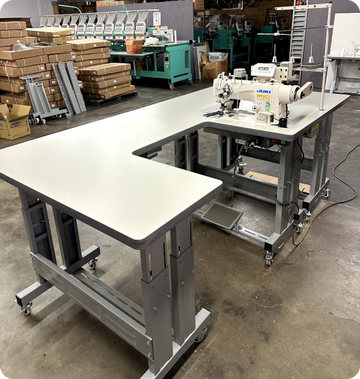
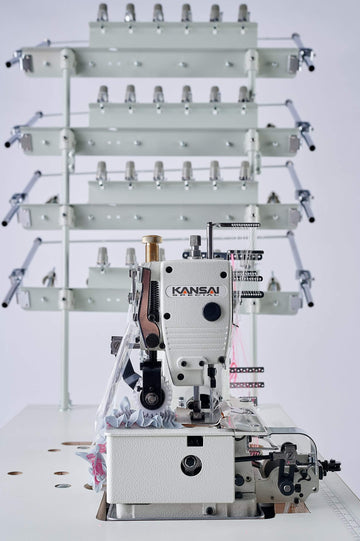
Computerized Heavy Duty Sewing Machine
Computerized Heavy Duty Sewing Machines: Built for Strength and Accuracy
A computerized heavy duty sewing machine combines power, speed, and smart technology in one system. These machines are designed for people who work with demanding fabrics and need consistent results every day. From commercial sewing businesses in California to tailoring studios in Los Angeles and workshops in South El Monte, heavy-duty computerized models are trusted for their durability and reliable performance.
40+ Years of Trust
Empowering top manufacturers since 1981
KANSAI Distributor
Best specialized machines & support
Lifetime Warranty
On all PRIZZI custom sewing tables
100% New Machines
Come with the standard manufacturer's warranties
Mother's Day Sale
Up to 50% OFF Sitewide + Promocode
days
days
hours
hrs
minutes
mins
seconds
secs
Industrial Lockstitch Machine JUKI LU-2210N-7
Brand:
JUKI
Industrial Lockstitch Machine JUKI LU-2810A-70BBS
Brand:
JUKI
Industrial Lockstitch Machine JUKI LU-1510NA-7
Brand:
JUKI
Unlike standard home sewing machines, heavy duty computerized sewing machines feature reinforced internal parts, stronger motors, and programmable controls that improve efficiency and stitching precision. They are commonly used by professionals, advanced hobbyists, and growing sewing businesses that require reliable performance on challenging materials.
Read moreUnlike standard home sewing machines, heavy duty computerized sewing machines feature reinforced internal parts, stronger motors, and programmable controls that improve efficiency and stitching precision. They are commonly used by professionals, advanced hobbyists, and growing sewing businesses that require reliable performance on challenging materials.
What Is a Computerized Heavy Duty Sewing Machine?
A computerized heavy duty sewing machine is a sewing machine equipped with digital controls and reinforced construction for intensive use. These machines combine automation with industrial-grade durability to support complex sewing tasks.
Computerized systems allow users to select stitch patterns, adjust speed, control needle positioning, and save custom sewing settings through an integrated display interface. This level of precision improves consistency while reducing manual adjustments.
A heavy programmable sewing machine is commonly used for:
-
Sewing thick fabrics such as denim, leather, canvas, and upholstery materials
-
Handling multiple fabric layers
-
Long production sessions in commercial and industrial environments
-
Precision decorative stitching and repetitive sewing patterns
Compared to standard models, heavy duty computerized sewing machines are engineered for greater stability, reduced vibration, and longer operational life.
Benefits of a Heavy Duty Computerized Sewing Machine
Power and Motor Strength
One of the main reasons professionals choose a computerized heavy duty sewing machine is its motor strength. A powerful motor allows the machine to sew smoothly through thick fabrics and multiple layers without losing stitch quality.
Precision Through Computer Control
Digital controls improve sewing accuracy by maintaining consistent stitch quality. Programmable settings allow users to repeat exact stitch patterns, making these machines highly valuable for commercial sewing and professional tailoring.
Faster Workflow and Automation
Automation features such as automatic thread cutting, speed control, and stitch memory significantly improve efficiency. This helps businesses complete large sewing projects more quickly while maintaining high quality.
Reliable Results on Demanding Fabrics
Heavy-duty construction ensures stable operation when working with challenging fabrics. Reinforced frames and industrial-grade internal parts help maintain performance during continuous use.
Key Features to Look For
When selecting the best heavy duty computerized sewing machine, several important features should be considered.
Motor Power and Sewing Speed
A strong motor is essential for handling thick materials and industrial workloads. High sewing speed improves productivity for commercial and professional applications.
Programmable Stitch Options
A heavy programmable sewing machine should include multiple stitch patterns, customizable settings, and stitch memory functions for advanced sewing tasks.
Durable Construction
Look for machines with metal frames and reinforced internal components. Build quality directly affects stability, durability, and long-term performance.
Needle Penetration Strength
Strong needle penetration is necessary for sewing dense fabrics without damaging materials or reducing stitch quality.
Adjustable Presser Foot Pressure
Presser foot pressure control allows better handling of different fabric thicknesses and improves feeding consistency.
Display and User Interface
Modern computerized models often feature LCD displays and intuitive controls that simplify operation and machine adjustments.
Heavy Programmable Sewing Machine vs Standard Computerized Models
A heavy programmable sewing machine differs from a standard computerized sewing machine in several important ways.
Durability
Heavy-duty models are specifically designed for intensive workloads and continuous operation. Standard machines are generally intended for lighter home sewing tasks.
Fabric Handling Performance
Heavy duty computerized sewing machines can sew through thick fabrics and multiple layers more effectively than standard computerized machines.
Longevity and Workload Capacity
Industrial-grade construction increases lifespan and supports higher production volumes, making these machines suitable for commercial sewing environments.
Cost and Long-Term Value
Although heavy-duty models usually require a larger investment upfront, they often last longer and perform more reliably over time, making them a better value for serious sewing work.
Best Computerized Heavy Duty Sewing Machine for Different Uses
For Professional Sewing and Tailoring
The best computerized heavy duty sewing machine for professional use should offer:
-
High-speed operation
-
Advanced programmable stitch control
-
Continuous sewing capability
-
Commercial-grade durability
-
Strong warranty support
Professional tailoring businesses and industrial sewing shops require machines capable of maintaining quality under constant use.
For Home and Small Workshop Use
For smaller workshops and advanced home sewing projects, the best heavy duty computerized sewing machine should balance performance with ease of use.
Important considerations include:
-
Compact machine size
-
User-friendly controls
-
Moderate maintenance requirements
-
Reliable stitching performance
-
Portable table compatibility
Heavy Duty Computerized Portable Sewing Machine
A heavy duty computerized portable sewing machine combines mobility with reinforced sewing capability. Portability usually refers to reduced machine size and easier transportation while still maintaining sufficient motor power.
These machines are ideal for:
-
Mobile tailoring services
-
Small apartments or compact workspaces
-
Sewing classes and workshops
-
Occasional commercial use
However, portable models may have lower motor strength and reduced workload capacity compared to larger industrial sewing machines.
How to Choose the Best Heavy Duty Computerized Sewing Machine
Match the Machine to Your Projects
Consider the types of fabrics and sewing projects you plan to handle. Upholstery, leather, and canvas work require more power than lightweight garment sewing.
Set a Realistic Budget
Higher-quality machines generally provide better durability and long-term reliability. Investing in quality construction often reduces repair and replacement costs.
Consider Your Skill Level
Advanced computerized functions can improve efficiency, but beginners may benefit from simpler control systems and fewer programmable features.
Think About Future Growth
Small businesses should consider future production needs when selecting equipment. Choosing a scalable machine can support long-term expansion.
Maintenance and Care Tips
Proper maintenance helps extend machine life and maintain sewing quality.
Cleaning
Regularly remove dust, thread, and fabric debris from the bobbin area, feed dogs, and internal components.
Software and Settings Management
For computerized models, periodically check settings and maintain saved stitch configurations to ensure consistent performance.
Needle and Accessory Maintenance
Replace needles frequently and use accessories designed for heavy-duty sewing applications.
Proper Storage
Store the machine in a clean, dry location and use a protective cover to prevent dust accumulation.
Common Mistakes to Avoid When Buying
Underestimating Power Requirements
Many users purchase machines that cannot handle their intended fabrics or production demands.
Paying for Unnecessary Features
Not every sewing business requires advanced automation or extensive decorative stitch libraries.
Ignoring Build Quality
Internal construction quality is more important than appearance when selecting a heavy-duty machine.
Choosing a Machine Beyond Your Skill Level
Complex systems may slow productivity if the operator lacks experience with computerized controls.
Conclusion
A computerized heavy duty sewing machine is designed for users who need dependable performance, advanced control, and the ability to work with difficult materials. Whether used for commercial production, tailoring, upholstery, or creative sewing projects, these machines provide the strength and consistency required for professional-quality results.
The best computerized heavy duty sewing machine depends on workload requirements, sewing experience, budget, and long-term goals. By focusing on motor strength, programmable features, construction quality, and maintenance needs, users can select a machine that delivers reliable performance for years to come.
Read less- Featured
- Most relevant
- Best selling
- Alphabetically, A-Z
- Alphabetically, Z-A
- Price, low to high
- Price, high to low
- Date, old to new
- Date, new to old