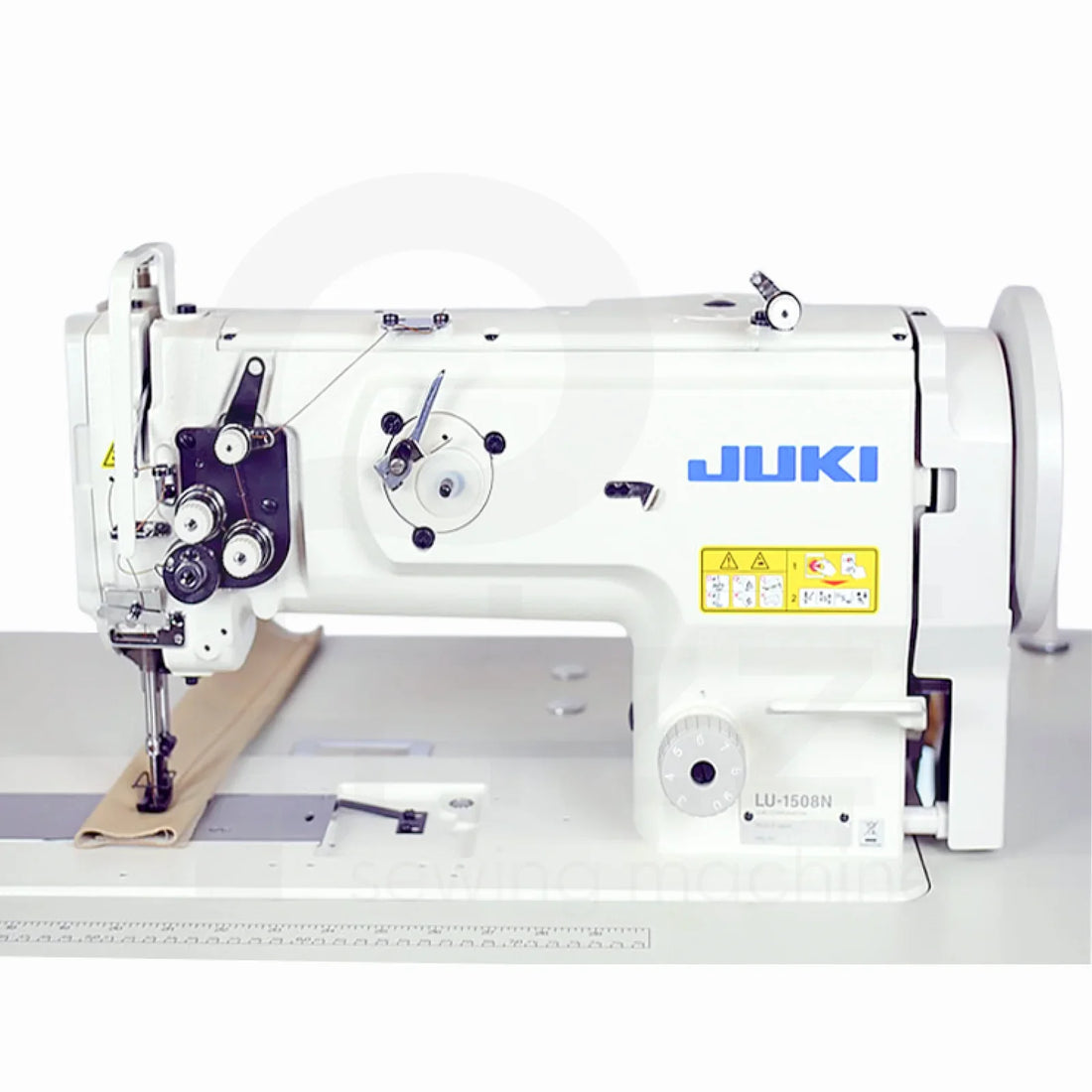
At Prizzi Sewing, we understand that choosing equipment for specialty materials can be challenging. Vinyl has its own characteristics, and the machine you choose should match the thickness, construction, and type of projects you plan to sew.
Our collection is designed to help makers, upholsterers, repair professionals, and businesses find equipment suited to demanding sewing applications.
Choosing a Vinyl Sewing Machine
A vinyl sewing machine needs to provide dependable feeding, appropriate needle penetration, and enough power for the materials being used. Vinyl can be less forgiving than woven fabric, particularly when several layers are joined together.
Before choosing a machine, consider the thickness of your material, how many layers you normally sew, the thread you plan to use, and whether your projects are occasional or part of regular production.
A machine that works well for lightweight vinyl may not be the right choice for thick upholstery assemblies. Matching the machine to your materials is one of the most important steps toward achieving clean, reliable seams.
What Makes a Good Machine for Vinyl?
When looking for a sewing machine for vinyl, pay attention to the machine's construction and capabilities rather than focusing on power alone.
The feeding system is especially important. Smooth, controlled material movement can help prevent uneven stitching, bunching, or unwanted marks on the surface. Presser-foot clearance and needle compatibility are also worth considering when working with thicker materials.
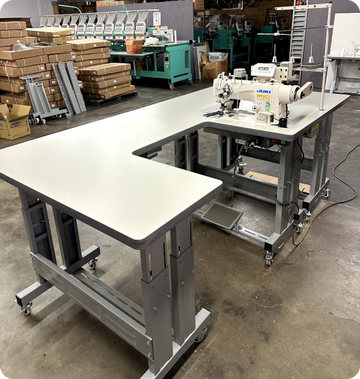
Your workspace matters too. If you are sewing large upholstery panels, cushions, covers, or other bulky pieces, a machine setup that gives you enough room to control the material can make a significant difference.
Machines for Different Vinyl Applications
The ideal sewing machine to sew vinyl depends on what you are creating. A hobbyist making small accessories may have very different requirements from an upholstery professional sewing furniture covers every day.
For smaller projects, ease of handling and versatility may be priorities. For larger projects, stability, consistent feeding, and the ability to work through multiple layers become increasingly important.
Think about your typical project before buying. The best machine is not necessarily the most powerful option available; it is the one that suits the materials, construction, and volume of work you actually perform.
Vinyl Upholstery Sewing Machines
Upholstery projects often involve multiple layers of material, seams, piping, foam, backing fabrics, and other components. A vinyl upholstery sewing machine should therefore be selected with the complete project in mind.
Furniture upholstery is a particularly good example. A seemingly simple seat or cushion can require several layers to be joined accurately, and bulky sections can be difficult to maneuver.
For professional upholstery work, look for a machine that provides controlled stitching and handles your usual thread and needle combinations. The goal is a dependable setup that allows you to concentrate on the project rather than constantly fighting the material.
Sewing Vinyl Upholstery With Confidence
A sewing machine for vinyl upholstery should offer the control necessary for detailed work while providing enough capability for the thickness of the materials involved.
Good preparation also matters. Use an appropriate needle, select thread that suits the project, and test your settings on scrap material before beginning the final piece. This simple step can help you identify feeding or tension issues before they affect your finished work.
Remember that vinyl surfaces can behave differently from fabric. Taking your time with material positioning and seam alignment can make a noticeable difference to the final appearance.
When You Need More Power
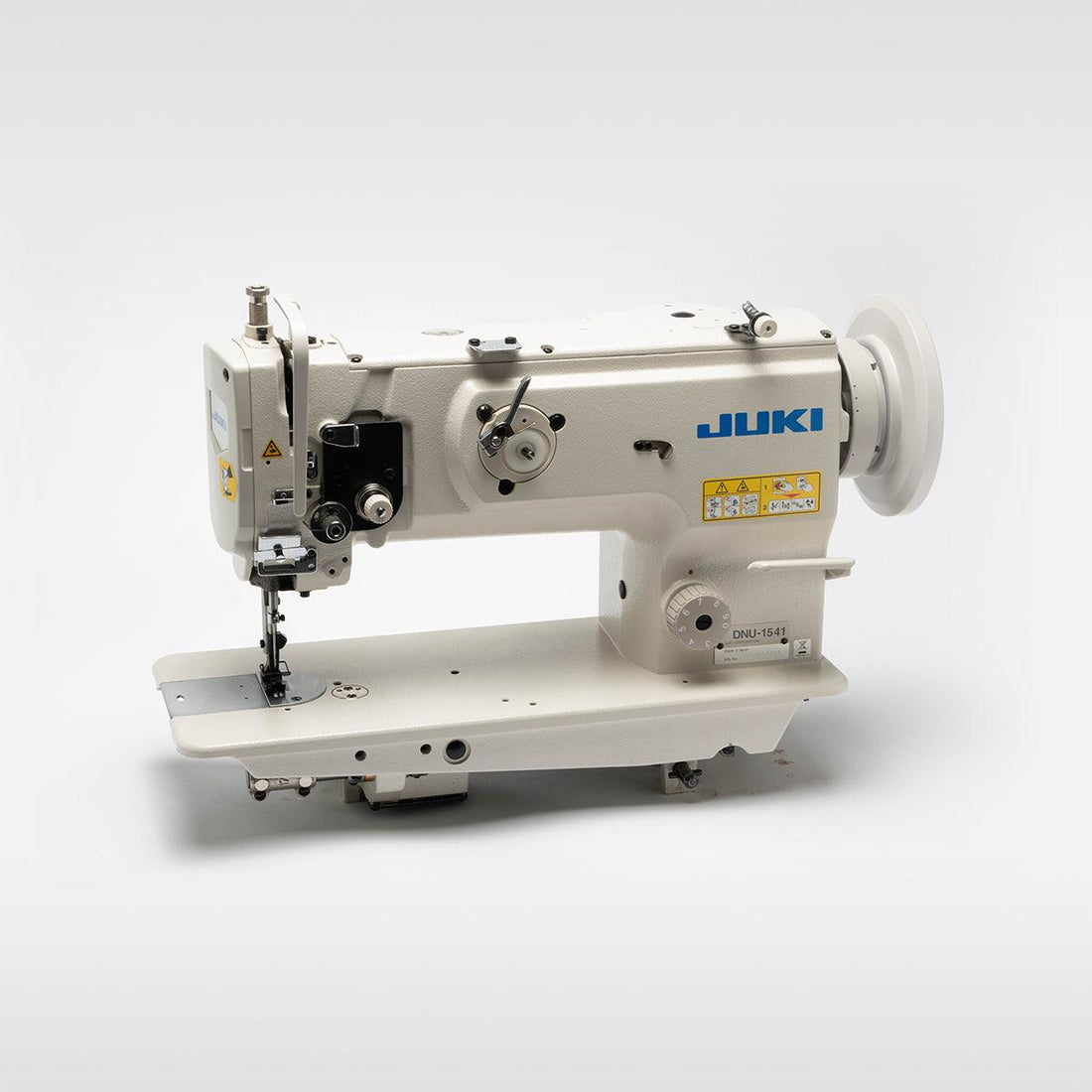
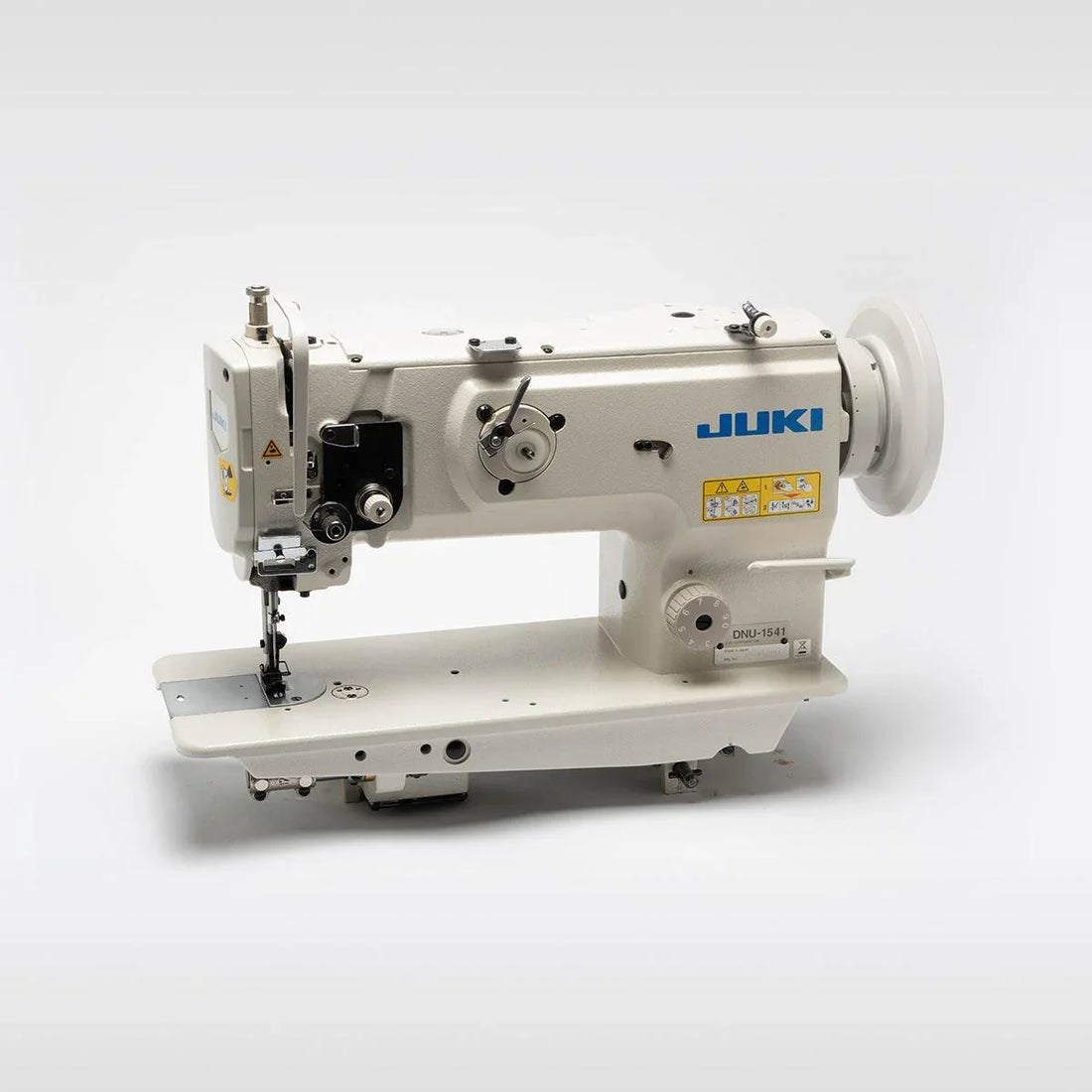
For demanding projects, a heavy duty sewing machine for vinyl can be a practical choice. Heavy-duty equipment is designed for applications where ordinary domestic machines may struggle with thicker materials or repeated use.
This can be particularly useful for workshops working on upholstery, bags, covers, outdoor equipment, and other projects where durability and consistent performance are important.
However, "heavy duty" should not be the only consideration. The machine still needs to be appropriate for your particular materials and construction methods. Consider the complete combination of machine design, material thickness, needle system, presser-foot setup, and thread.
Sewing Leather and Vinyl
Many makers work with more than one specialty material. A sewing machine for leather and vinyl can provide useful flexibility when your projects move between upholstery, accessories, repairs, and custom goods.
Leather and vinyl can both require more careful handling than lightweight textiles, although they are not identical materials. Different thicknesses and finishes can affect feeding, needle selection, and stitch formation.
If your projects regularly involve both materials, choosing versatile equipment can help you avoid maintaining separate setups for every type of job.
One Machine for Multiple Materials
A sewing machine for vinyl and leather can be especially valuable for businesses and experienced makers who want to expand the range of products they can produce.
Think beyond today's project. If you currently sew vinyl cushions but may eventually move into leather bags, automotive interiors, covers, or custom accessories, a versatile machine can give you more room to grow.
At Prizzi Sewing, we recommend considering the types of work you expect to take on over time. A thoughtful equipment choice can be more valuable than selecting a machine based solely on a single current project.
Finding the Best Machine for Vinyl Upholstery
Searching for the best sewing machine for vinyl upholstery often comes down to matching the machine to the workload.
A professional upholsterer who sews every day may prioritize durability, smooth operation, and a setup suited to large pieces. Someone completing occasional furniture repairs may place greater emphasis on versatility and ease of use.
There is no single machine that is perfect for every workshop. Material thickness, production volume, stitch requirements, workspace, and budget all influence the right choice.
Canvas and Vinyl Projects
Outdoor covers, bags, awnings, equipment covers, cushions, and recreational products can combine different heavy materials. A sewing machine for canvas and vinyl should be capable of handling the construction demands of these applications.
Canvas can vary considerably in weight, while vinyl comes in different thicknesses and finishes. When the two are combined, the machine needs to manage the complete material stack rather than just one layer.
Testing your chosen machine with the actual materials you intend to use is always a smart approach. A short test seam can reveal whether your needle, thread, presser foot, tension, and feeding settings are working together correctly.
Handheld Options for Vinyl
Some projects call for portability rather than a traditional workstation. A heavy duty handheld sewing machine for vinyl may appeal to users who need a compact solution for repairs or work where transporting a larger machine is impractical.
Handheld equipment can be useful in specific situations, but it is important to understand its limitations. Large, thick, or continuous upholstery projects may benefit from a more stable machine setup.
Consider where you will sew, how frequently you will use the machine, and the thickness of your typical materials before choosing a portable option.
Industrial Equipment for Professional Work
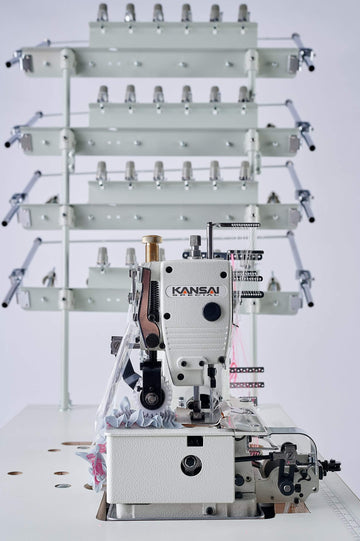
For workshops and businesses handling demanding materials regularly, an industrial sewing machine for vinyl may be worth considering.
Industrial machines are commonly selected when production requirements call for consistent operation and equipment designed around specific sewing applications. The right configuration depends on the material, stitch type, thread, needle system, and construction method.
If you are upgrading a workshop, consider your workflow as a whole. Machine placement, table configuration, material handling, operator comfort, and maintenance can all influence productivity.
Choosing the Best Machine for Vinyl and Canvas
If your workshop handles several heavy materials, the best sewing machine for vinyl and canvas will be one that fits your complete range of applications.
Start by listing the materials you use most often. Include their approximate thicknesses and the number of layers normally joined together. Then consider the types of seams you create and the thread sizes you prefer.
This approach makes it easier to compare machines based on practical requirements rather than marketing terminology. It can also help you avoid choosing equipment that is either underpowered for your work or unnecessarily specialized.
What to Consider Before You Buy
If you are trying to find the best sewing machine for vinyl, ask yourself a few straightforward questions:
-
What thickness of vinyl will I normally sew?
-
How many layers will I need to join?
-
Will I also sew leather, canvas, or other heavy materials?
-
How frequently will the machine be used?
-
Am I working on small products or large upholstery pieces?
-
Do I need a portable setup or a dedicated workstation?
-
What thread and needle sizes does my work require?
-
Do I need a machine for occasional repairs or regular production?
Answering these questions can significantly narrow your options.
Get More From Your Vinyl Sewing Setup
The machine is only one part of a successful sewing setup. Needles, thread, presser feet, bobbins, and correct machine settings all contribute to the quality of the finished seam.
Always begin with a test piece whenever you change materials. Check stitch length, tension, feeding, and seam appearance before moving to the final project.
For large or expensive upholstery pieces, preparation is especially important. A few minutes spent testing can help prevent wasted material and unnecessary rework.
Explore Vinyl Sewing Equipment at Prizzi Sewing
Whether you are an upholsterer, repair professional, manufacturer, hobbyist, or creative maker, choosing the right equipment can make specialty-material sewing much easier.
Prizzi Sewing is here to help you explore sewing solutions for vinyl and other demanding materials. From upholstery applications to canvas projects, leather work, repairs, and custom products, the right machine can give you the control and capability your projects require.
Explore the collection to compare your options, consider your material and workload, and choose equipment that fits the way you actually sew.
When your projects demand reliable performance, thoughtful machine selection is the first stitch toward better results.
Read less