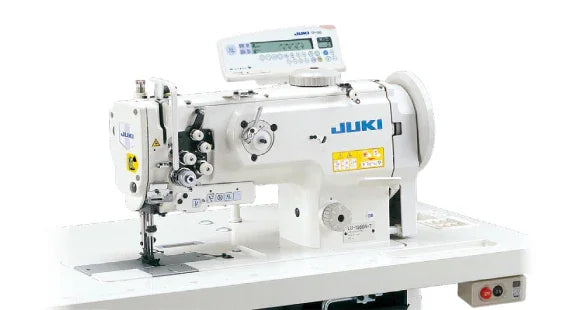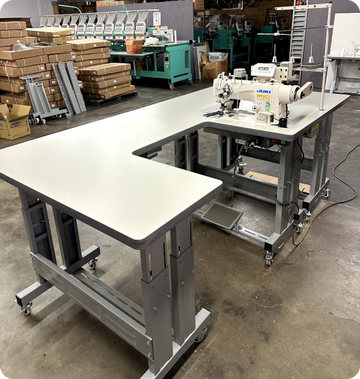
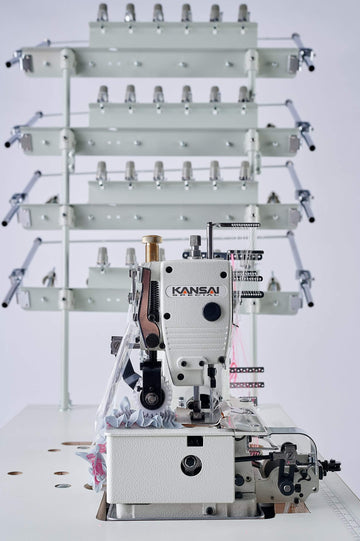
Juki | Leather Sewing Machines
Choosing the Right JUKI Leather Sewing Machine for Professional Results
Working with leather is very different from sewing ordinary fabrics. Leather is thicker, heavier, and far less forgiving, which means using the right equipment is essential for clean and durable stitching. Whether you are producing handbags, upholstery, footwear, or custom accessories, a reliable JUKI industrial sewing machine for leather can dramatically improve both efficiency and stitch quality.
40+ Years of Trust
Empowering top manufacturers since 1981
KANSAI Distributor
Best specialized machines & support
Lifetime Warranty
On all PRIZZI custom sewing tables
100% New Machines
Come with the standard manufacturer's warranties
Summer Kickoff Event
Up to 50% OFF Sitewide + Promocode
days
days
hours
hrs
minutes
mins
seconds
secs
Industrial Lockstitch Machine JUKI DLU-5490NBB-7WB-PF6IM92/SC920C/CP18A Bottom & Variable Top Feed
Brand:
JUKI
Industrial Lockstitch Machine DSC-245-70B
Brand:
JUKI
Industrial Lockstitch Machine DSC-246(V)U
Brand:
JUKI
Industrial Lockstitch Machine DSC-246-70B
Brand:
JUKI
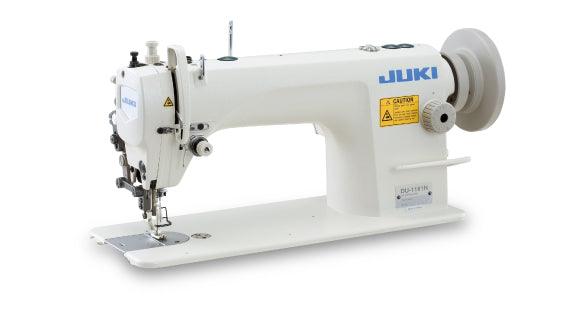
Industrial Lockstitch Machine JUKI DU-1181N Heavy-Duty Top & Bottom Feed
Brand:
JUKI
Industrial Lockstitch Machine JUKI LG-158#U
Brand:
JUKI
Industrial Lockstitch Machine JUKI LS-2342H
Brand:
JUKI
Industrial Lockstitch Machine JUKI LS-2342S
Brand:
JUKI
Industrial Lockstitch Machine LS-2342S-70B
Brand:
JUKI
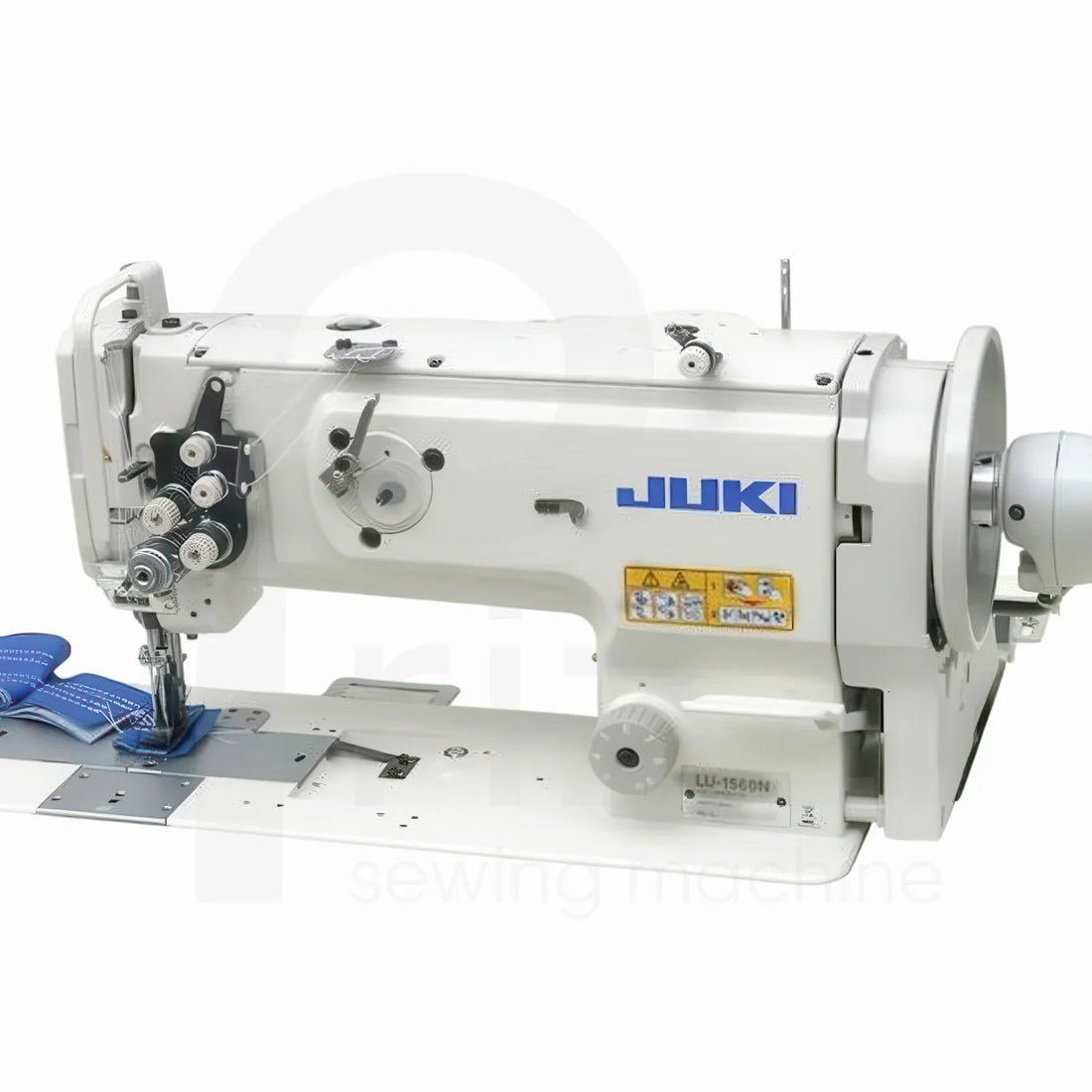
Industrial Lockstitch Machine JUKI LU-1560N
Brand:
JUKI
Industrial Lockstitch Machine JUKI LU-1560N-7
Brand:
JUKI
Industrial Lockstitch Machine JUKI LU-2810A-70BBS
Brand:
JUKI
Industrial Lockstitch Machine LU-2810NVA-70BBSZ
Brand:
JUKI
Industrial Lockstitch Machine JUKI LU-2828A-70BBS
Brand:
JUKI
Industrial Lockstitch Machine LU-2828NVA-7NBBSZ
Brand:
JUKI
Industrial Lockstitch Machine JUKI PLC-2710NS
Brand:
JUKI
Industrial Lockstitch Machine JUKI PLC-2710NVS-70BBZ
Brand:
JUKI
Industrial Lockstitch Machine JUKI PLC-2710SB
Brand:
JUKI
Industrial Lockstitch Machine JUKI PLC-2765S#AB/BT/DL
Brand:
JUKI
Professional workshops across Los Angeles and South El Monte often choose industrial-grade sewing systems because leather demands more power, stability, and precision than standard sewing projects. This is why JUKI leather sewing machines remain a trusted option for commercial and industrial applications.
Read moreProfessional workshops across Los Angeles and South El Monte often choose industrial-grade sewing systems because leather demands more power, stability, and precision than standard sewing projects. This is why JUKI leather sewing machines remain a trusted option for commercial and industrial applications.
Why Leather Requires Specialized Sewing Equipment
Unlike lightweight fabrics, leather does not stretch or recover after stitching. Every needle hole becomes permanent, so accuracy matters from the very first stitch. A standard household machine may struggle with uneven feeding, skipped stitches, or motor strain when handling dense materials.
A quality leather sewing machine JUKI model is specifically designed to handle thicker layers and continuous production. Industrial machines provide stronger motors, reinforced frames, and advanced feeding systems that help maintain smooth stitching even during long sewing sessions.
Common challenges when sewing leather include:
-
Thick and dense material layers
-
Consistent stitch formation
-
Preventing surface marks or scratches
-
Managing heavy-duty thread tension
-
Maintaining durability during high-speed sewing
Because of these factors, many professionals invest in a JUKI industrial leather sewing machine for long-term reliability.
Types of Leather Sewing Machines
Different leather projects require different machine styles.
Flatbed Machines
Flatbed machines are ideal for working on flat products like wallets, upholstery panels, and garments. They provide a large work surface and stable support for straight stitching.
Cylinder Arm Machines
Cylinder arm machines are commonly used for bags, shoes, and curved leather products. Their narrow arm design makes it easier to sew difficult shapes and tight areas.
Post Bed Machines
These machines are popular in footwear manufacturing and decorative leatherwork because they offer excellent visibility and maneuverability.
Many professionals searching for the best JUKI sewing machine for leather prefer machines equipped with walking foot or compound feed systems. These feeding mechanisms help move multiple layers evenly without slipping or stretching the material.
Important Features to Consider
Choosing the right leather machine involves more than just speed or appearance.
Motor Power and Speed Control
Leather requires steady penetration power. Servo motors allow better control at slower speeds, which is especially helpful for detailed stitching work.
Presser Foot Lift
A higher presser foot lift makes it easier to sew thick leather assemblies and layered materials.
Stitch Quality
Consistent stitch length is critical when working with visible leather seams. A dependable JUKI sewing machine for leather delivers smooth and even stitches across various leather thicknesses.
Feed System
Walking foot and compound feed systems improve material handling and reduce shifting during sewing.
Durability
Industrial leather sewing involves constant use, so machine construction matters. Many businesses choose JUKI sewing machines for leather because of their durable metal frames and long operational life.
Needles and Accessories for Leather Sewing
The right accessories play a major role in sewing performance.
Leather Needles
Specialized cutting-point needles are designed to pierce leather cleanly without damaging the material. Using the proper leather needle for JUKI sewing machine setups helps improve stitch consistency and reduces tearing.
Experienced operators also rely on durable JUKI leather needles for different leather weights and applications.
Presser Feet
A smooth or roller-style JUKI leather foot helps prevent drag marks while improving feeding performance on textured leather surfaces.
Thread Selection
Bonded nylon and polyester threads are commonly recommended because they provide strength, flexibility, and abrasion resistance.
Performance on Different Leather Types
Different leather products require different sewing approaches.
Thin Leather
Garments and lightweight fashion accessories require controlled tension and careful stitch placement.
Medium Leather
Products like handbags and wallets perform well with a JUKI leather stitching machine that offers precise feeding control.
Thick Leather
Heavy-duty projects such as belts, saddlery, upholstery, and automotive interiors often require a powerful JUKI industrial sewing machine leather setup capable of handling multiple thick layers continuously.
Industrial Applications
Leather sewing machines are used across many industries, including:
-
Fashion and luxury accessories
-
Upholstery and furniture manufacturing
-
Automotive interiors
-
Marine seating and covers
-
Footwear production
A professional JUKI leather machine is designed to maintain high stitch quality while supporting commercial production demands.
Price and Long-Term Value
The JUKI leather sewing machine price can vary depending on machine type, motor configuration, feed system, and included accessories.
Entry-level machines may work well for smaller workshops, while advanced industrial systems are better suited for high-volume production. Although used machines can reduce upfront costs, new industrial equipment often offers stronger warranty protection and improved long-term reliability.
Businesses searching for JUKI leather sewing machines for sale should consider both current production needs and future expansion before making a purchase.
Maintenance Tips
Regular maintenance helps keep industrial sewing equipment running efficiently.
Basic care includes:
-
Cleaning lint and debris
-
Oiling moving components
-
Replacing worn needles
-
Checking thread tension regularly
-
Inspecting feed mechanisms and belts
Proper maintenance can significantly extend the life of a JUKI commercial leather sewing machine.
Common Leather Sewing Mistakes
Even experienced operators can encounter problems when sewing leather.
Common mistakes include:
-
Using the wrong needle type
-
Choosing weak or unsuitable thread
-
Incorrect tension settings
-
Sewing too quickly on thick layers
-
Forcing heavy material through the machine
Even the best JUKI industrial sewing machine for leather requires proper setup and operator technique to achieve professional results.
Final Thoughts
Leather sewing requires specialized equipment that combines power, precision, and durability. From fashion accessories to industrial upholstery, selecting the right machine can improve production speed, stitch consistency, and overall product quality.
Whether you are comparing machine styles, evaluating accessories, or researching a JUKI leather sewing machine for sale, investing in the right industrial sewing solution will provide long-term value and dependable performance for years to come.
Read less- Featured
- Most relevant
- Best selling
- Alphabetically, A-Z
- Alphabetically, Z-A
- Price, low to high
- Price, high to low
- Date, old to new
- Date, new to old