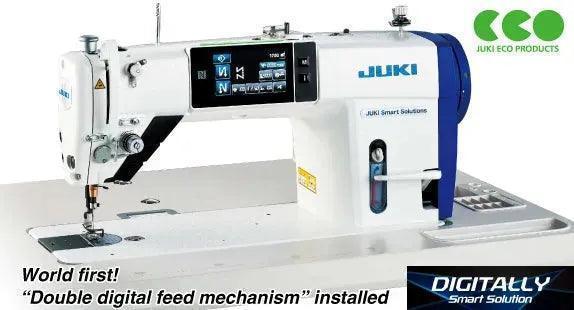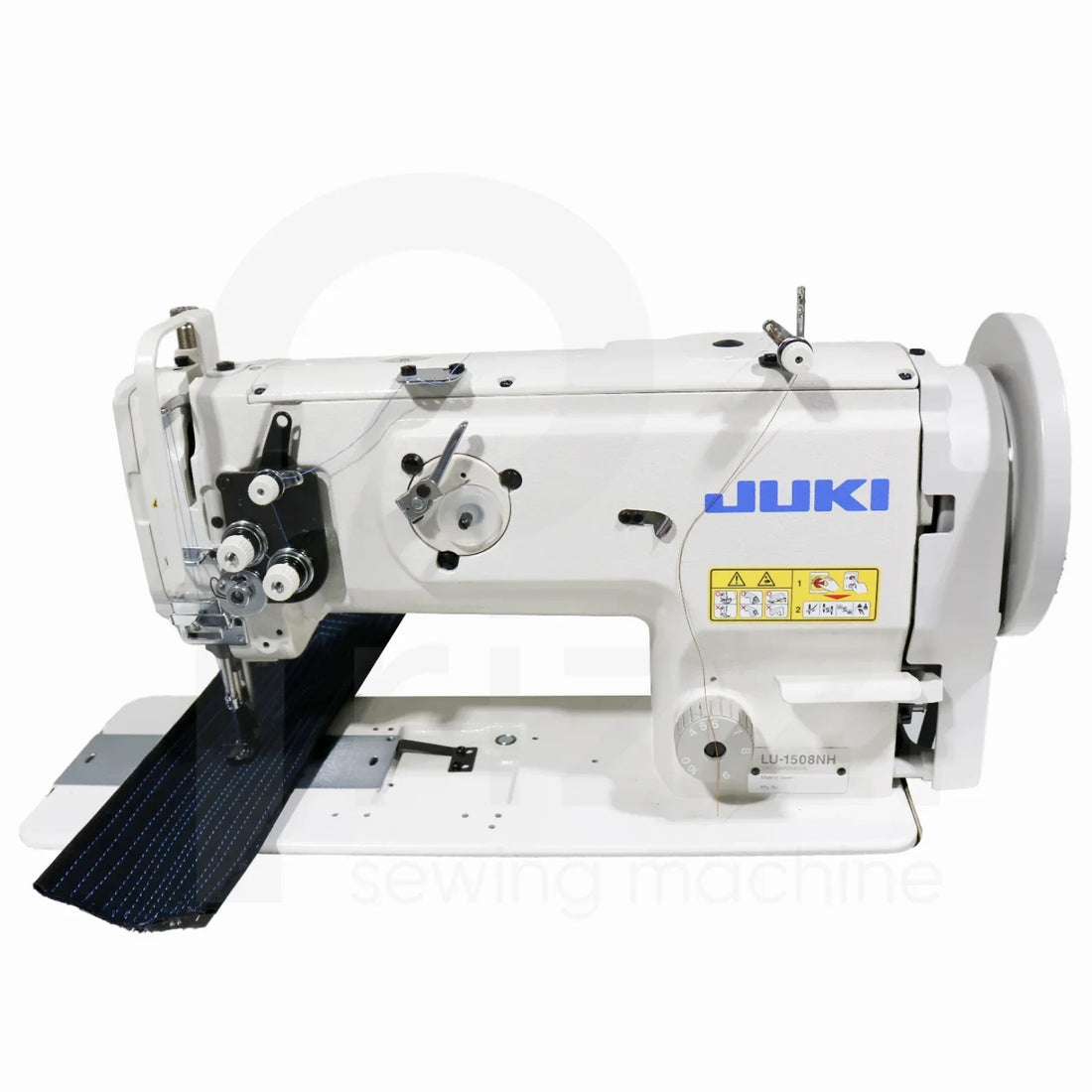
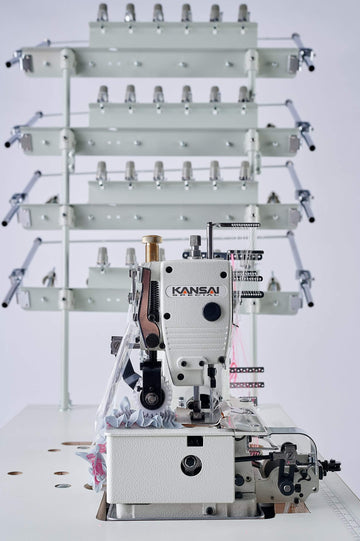
Juki Single Needle Lockstitch Machine
Why JUKI Single Needle Lockstitch Machines Remain an Industry Favorite
In the world of garment production, precision matters just as much as speed. From small tailoring studios to large clothing factories, manufacturers rely on equipment that can deliver clean seams day after day without slowing down production. That is why the JUKI single needle lockstitch machine continues to be one of the most trusted solutions in professional sewing.
40+ Years of Trust
Empowering top manufacturers since 1981
KANSAI Distributor
Best specialized machines & support
Lifetime Warranty
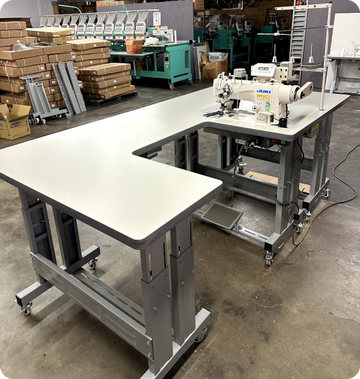
On all PRIZZI custom sewing tables
100% New Machines
Come with the standard manufacturer's warranties
250th Anniversary Sale Event
Up to 50% OFF Sitewide
days
days
hours
hrs
minutes
mins
seconds
secs
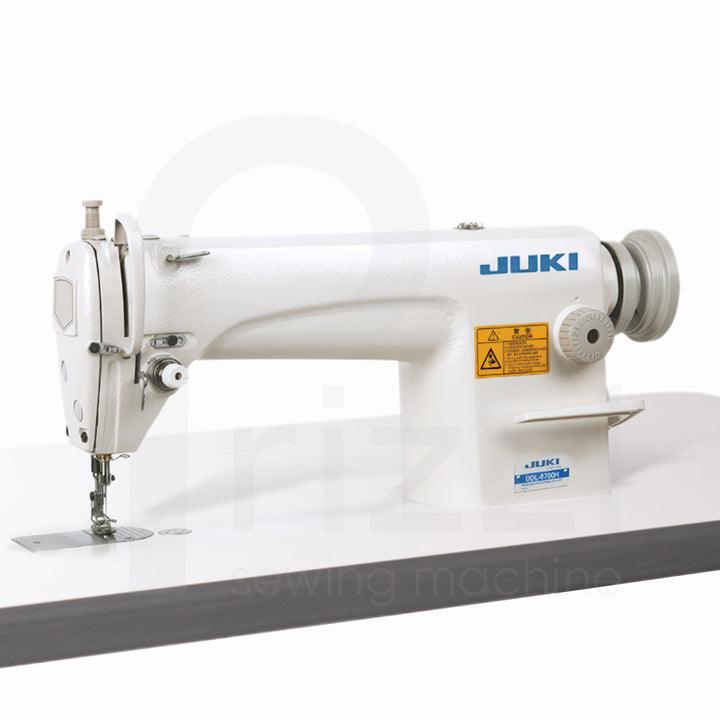
Industrial Lockstitch Machine JUKI DDL-8700H Medium to Heavy Fabrics Configuration
Brand:
JUKI
Industrial Lockstitch Machine JUKI DNU-1541S Heavy-Duty Safety Mechanism
Brand:
JUKI
Industrial Lockstitch Machine JUKI DDL-8700 High Speed, Automatic Lubrication
Brand:
JUKI
Industrial Lockstitch Machine JUKI DDL-9000C-FMS Premium Fully Digital
Brand:
JUKI
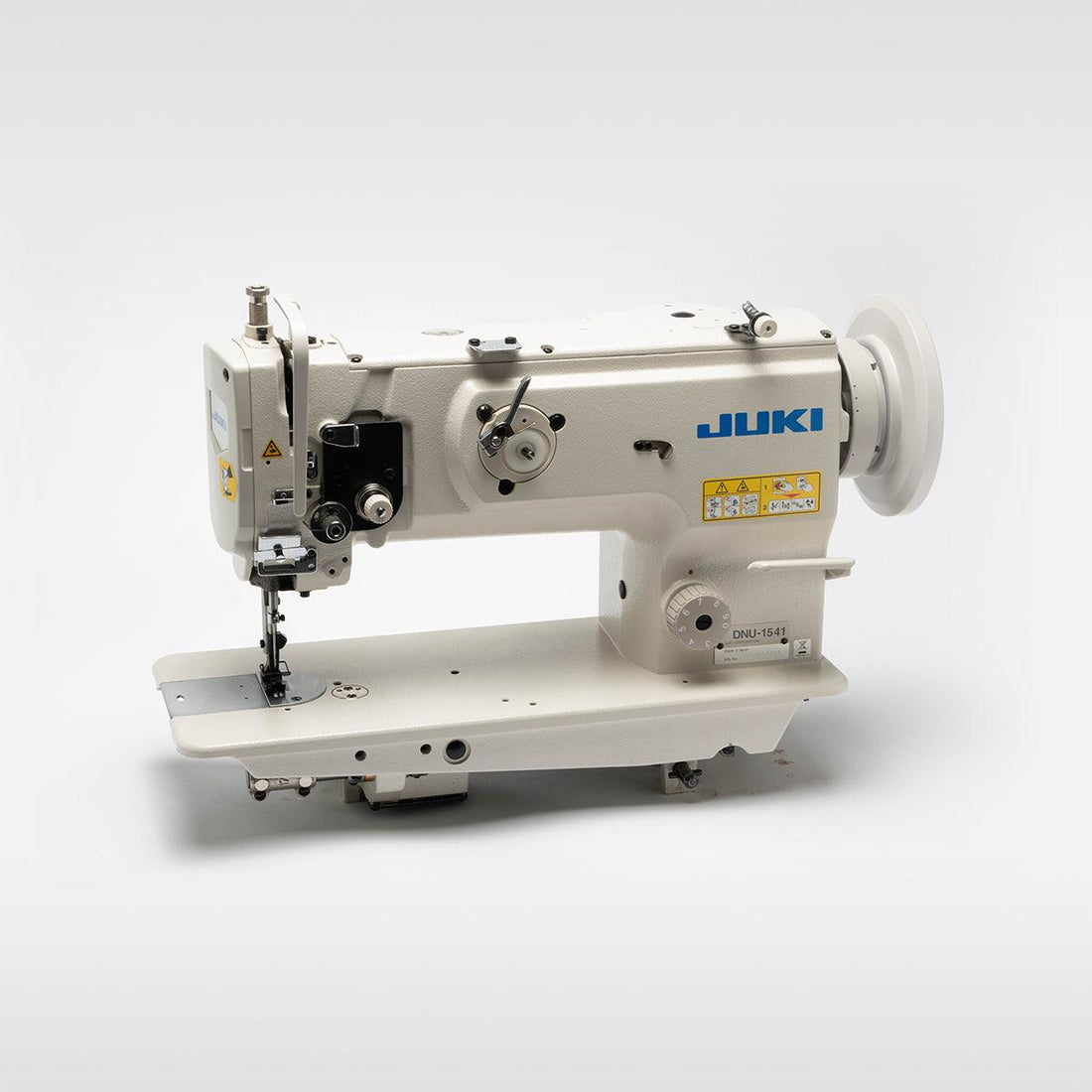
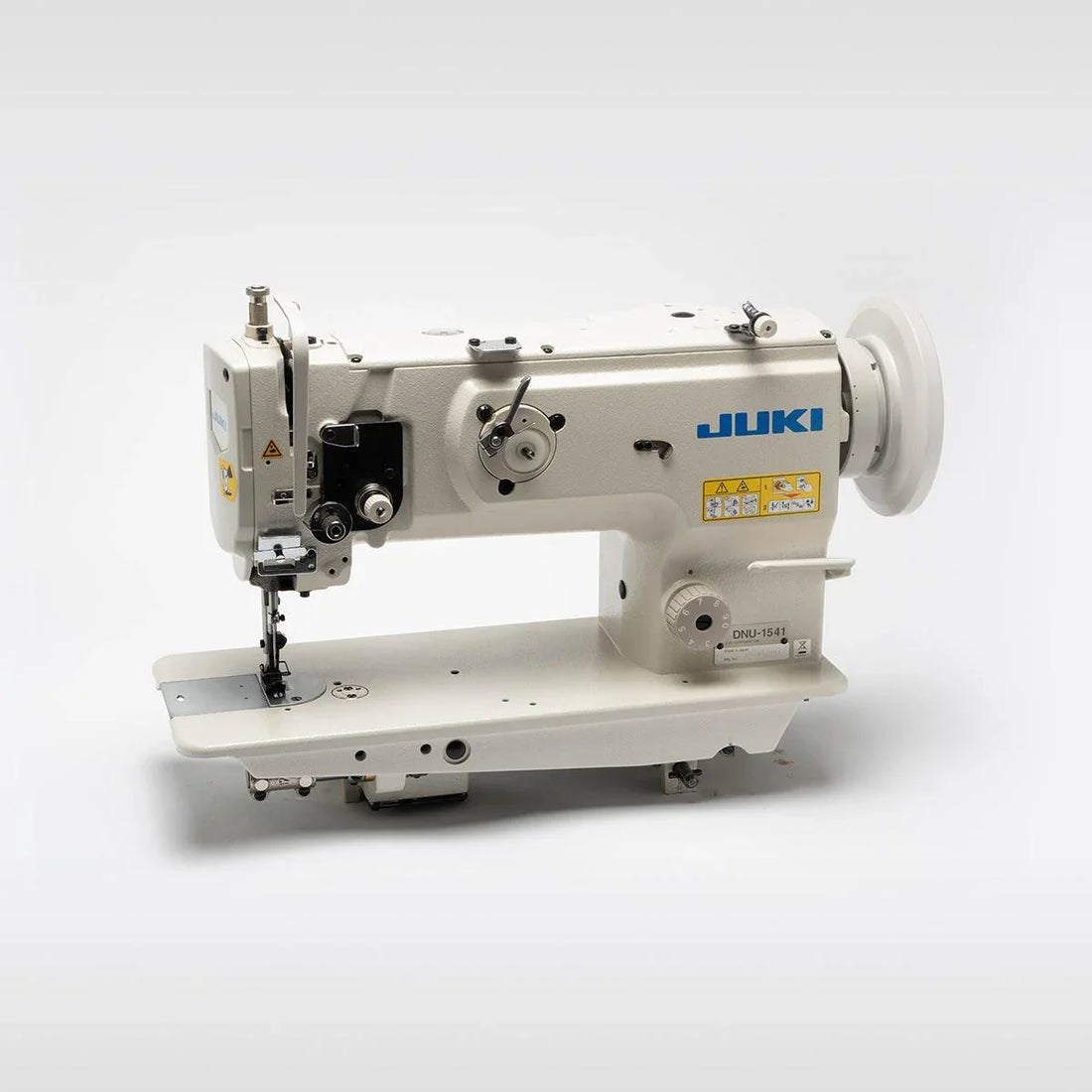
Industrial Lockstitch Machine JUKI DNU-1541 Heavy-Duty Walking Foot
Brand:
JUKI
Industrial Lockstitch Machine JUKI DDL-9000C-FSH-NB/SC950A Premium Fully Digital, Heavy Materials
Brand:
JUKI
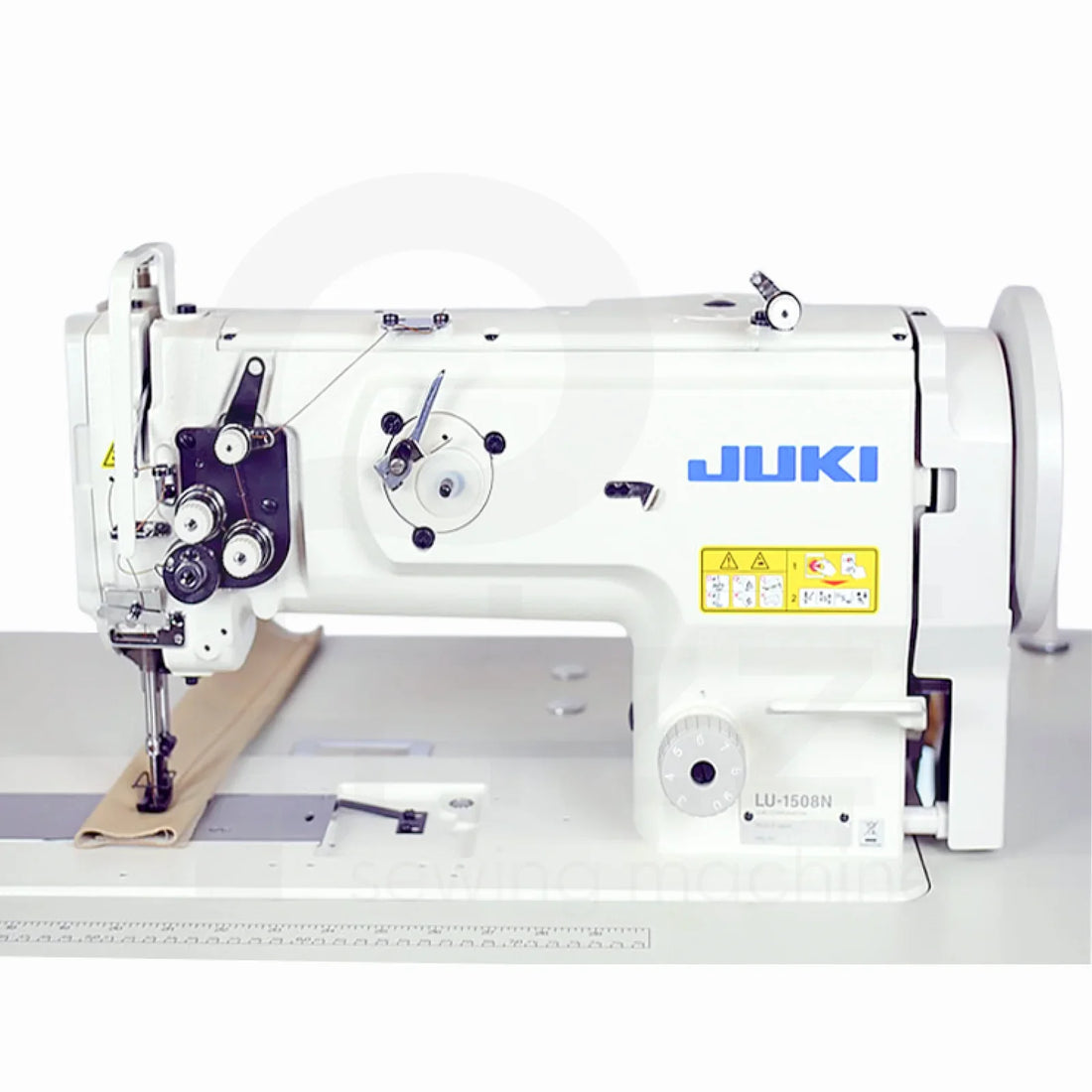
Industrial Lockstitch Machine JUKI LU-1508NS Unison Feed, Heavy-Weight Materials
Brand:
JUKI
Home Lockstitch Machine Juki HZL-353ZR-C
Brand:
JUKI
Industrial Lockstitch Machine JUKI LU-2810N 2.0× Large-Capacity Hook
Brand:
JUKI
Home Lockstitch Machine TL-2010Q/UL-P
Brand:
JUKI
Industrial Lockstitch Machine JUKI LU-1508NH Unison Feed, Extra Heavy Materials
Brand:
JUKI
Industrial Lockstitch Machine JUKI DLN-9010ASHWB/AK118 Needle Feed, Heavy-Weight Materials
Brand:
JUKI
Home Lockstitch Machine Juki HZL-LB5100
Brand:
JUKI
Industrial Lockstitch Machine JUKI LU-2810N
Brand:
JUKI
Industrial Lockstitch Machine JUKI LU-2810A-70BBS
Brand:
JUKI
Industrial Lockstitch Machine JUKI DDL-9000C-SSH-NBAK154/SC951A Digital Sewing System, Heavy Fabrics
Brand:
JUKI
Industrial Zigzag Machine JUKI LZ-2284A
Brand:
JUKI
Industrial Lockstitch Machine JUKI DDL-5550NH-7WB Automatic Functions, Heavy-Weight Fabrics
Brand:
JUKI
Industrial Lockstitch Machine JUKI DDL-5550NH Refined Feed & Thread Path, Heavy Materials
Brand:
JUKI
Industrial Lockstitch Machine JUKI DLN-5410N-7WB Needle Feed, Automatic Functions
Brand:
JUKI
These machines are known for producing straight, durable stitches while maintaining smooth operation during long working hours. Whether used for lightweight fabrics or medium-weight materials, they help businesses maintain consistent quality across every finished product.
Read moreThese machines are known for producing straight, durable stitches while maintaining smooth operation during long working hours. Whether used for lightweight fabrics or medium-weight materials, they help businesses maintain consistent quality across every finished product.
Understanding the Machine
A lockstitch machine works by connecting the upper thread with the bobbin thread underneath the fabric. This creates a secure stitch that looks neat on both sides and holds up well under regular wear.
The basic structure includes a needle mechanism, feed dogs, presser foot, motor, and bobbin system. Together, these parts allow the machine to move fabric evenly while forming balanced stitches at high speed.
A single needle lockstitch machine JUKI is mainly designed for straight stitching tasks commonly used in garment construction, hemming, and finishing operations. Because of its accuracy, it has become a standard choice in professional sewing environments.
Features That Improve Daily Work
One reason many sewing professionals prefer industrial lockstitch equipment is the quality of the seam. Smooth stitching reduces fabric puckering and gives garments a cleaner, more professional appearance.
Speed is another major advantage. Industrial models are built to handle continuous operation without overheating or losing stitch consistency. This makes them ideal for workshops with demanding production schedules.
Ease of use also plays an important role. A modern JUKI single needle lockstitch sewing machine often includes user-friendly controls, quieter motors, and ergonomic construction that helps operators work comfortably for longer periods.
Durability is equally important. Heavy-duty internal components allow these machines to withstand years of regular use with minimal downtime when properly maintained.
Where These Machines Are Used
Lockstitch machines are widely used across the fashion and textile industries. Clothing manufacturers depend on them for assembling shirts, trousers, uniforms, dresses, and workwear.
Tailors and repair shops also benefit from their precision when performing alterations or detailed finishing work. In smaller studios, the machine offers industrial-grade results without requiring a massive production setup.
A single needle lockstitch sewing machine JUKI is also common in commercial workshops where reliability and efficiency directly affect delivery times and customer satisfaction.
Main Advantages
One of the biggest benefits of this equipment is stitch strength. Properly formed lockstitches stay secure even after repeated washing and daily wear.
Versatility is another advantage. These machines can handle many commonly used fabrics, including cotton, polyester blends, linen, and denim. This flexibility makes them suitable for different types of sewing projects.
Maintenance is relatively simple as long as the machine is cleaned and lubricated regularly. Operators who follow basic care routines often experience fewer interruptions and lower repair costs.
For many businesses, long-term operating value matters more than the initial investment. While the JUKI single needle lockstitch machine price depends on the model and features included, many owners consider the machine cost-effective because of its durability and productivity.
What Influences the Price
Several factors affect overall machine pricing. Entry-level models are usually more affordable, while advanced industrial versions include features such as automatic thread trimming, servo motors, and programmable settings.
Production capacity can also increase the cost. Machines designed for large factories typically offer higher sewing speeds and stronger internal mechanisms.
Service availability matters as well. Buyers often prefer equipment with easy access to replacement parts and maintenance support, especially in busy production environments.
Before purchasing, comparing specifications and the JUKI single needle lockstitch machine price can help businesses choose a model that fits both operational needs and budget expectations.
Choosing the Right Option
The right machine depends largely on the type of work being performed. Lightweight fabrics may require different settings than heavier materials used in outerwear or denim production.
Production volume is another important consideration. Small workshops may only need a standard setup, while larger operations often benefit from automated functions that improve efficiency.
Workspace size should also be evaluated before installation. Industrial machines require enough room for safe operation and fabric handling.
A carefully selected JUKI single needle lockstitch model can improve productivity, reduce sewing errors, and support long-term business growth.
Maintenance Tips for Better Performance
Routine care helps maintain sewing quality and prevents unnecessary breakdowns. Dust, lint, and loose thread should be removed regularly from the hook area and feed system.
Lubrication is equally important for keeping internal parts moving smoothly. Following the manufacturer’s maintenance schedule can significantly extend machine life.
Operators should also use the correct needle type and thread size for each fabric. Incorrect combinations may lead to tension problems or skipped stitches.
Periodic inspections help identify worn components before they cause more serious mechanical issues.
Common Problems and Simple Fixes
Thread breakage is often linked to improper threading, damaged needles, or incorrect tension adjustments. Re-threading the machine and replacing the needle usually solves the issue.
Skipped stitches may appear when using the wrong needle size or when the needle becomes bent during operation.
Excessive vibration or unusual noise can indicate loose components or insufficient lubrication. Regular servicing helps prevent these problems from affecting production quality.
Final Thoughts
The JUKI single needle lockstitch machine remains a reliable choice for sewing professionals who value precision, speed, and durability. Its ability to produce clean, strong seams makes it suitable for everything from tailoring work to large-scale garment manufacturing.
By understanding machine features, maintenance needs, and production requirements, buyers can confidently invest in equipment that delivers consistent results for years to come.
Read less- Featured
- Most relevant
- Best selling
- Alphabetically, A-Z
- Alphabetically, Z-A
- Price, low to high
- Price, high to low
- Date, old to new
- Date, new to old